




What temperature should I use to dry apples?
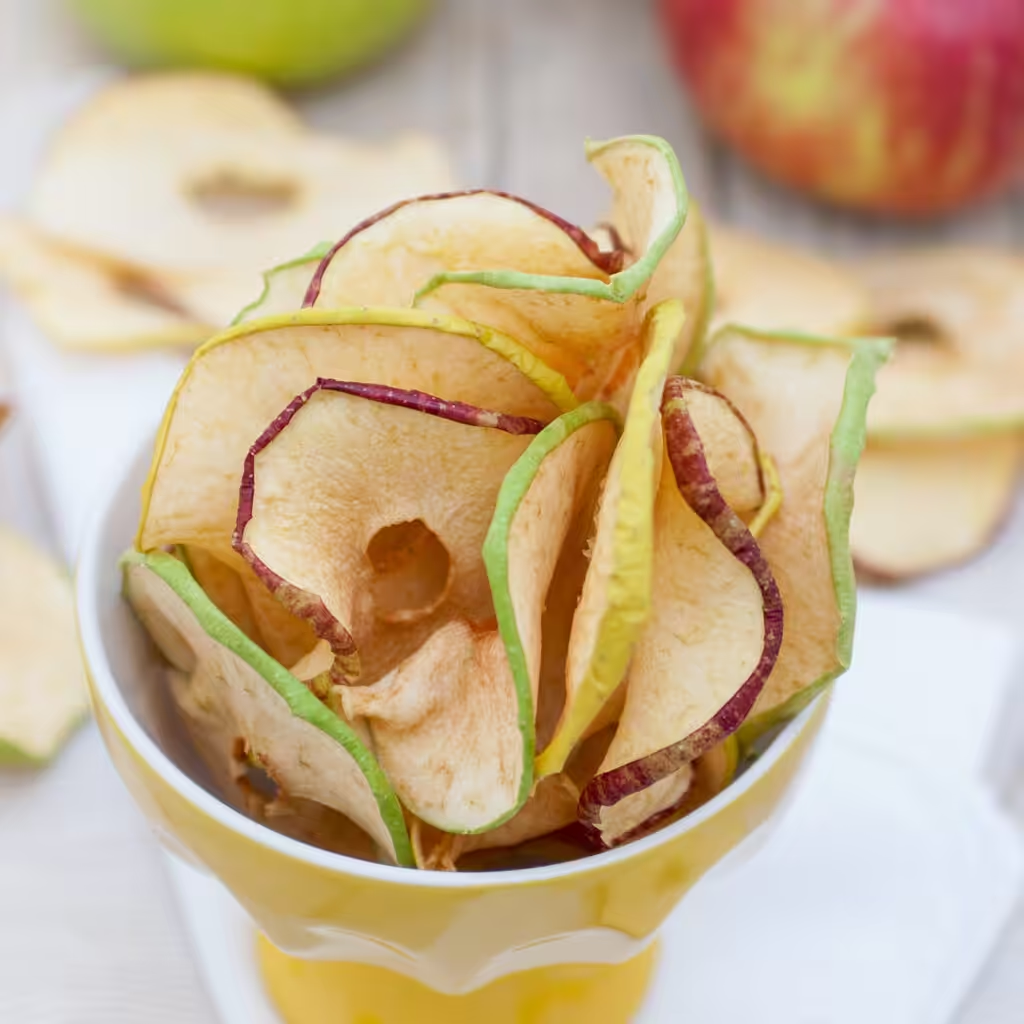
When trying to work out exactly what temperature to use for drying apples, the difference between a good result and a mediocre product is immediately apparent when you cut into them: the colour, aroma, texture and sweetness vary far more than you might think. With apples, getting the temperature right is not just about drying the fruit, but about preserving its true character, making the most of a seasonal ingredient and reducing waste in a smart and informed way. Drying is an ancient tradition that is being revived today thanks to technology, making it possible to turn the harvest into healthy food supplies for the whole year.
What temperature should you use to dry apples: the correct range
To dry apples evenly, the most useful guideline is a temperature generally between 40 and 50°C. In practice, 45°C is often an excellent starting point, as it allows for gradual drying without putting too much stress on the fruit.
This temperature range is ideal for those looking for fragrant slices with a full flavour and which retain their original colour perfectly. From a technical point of view, if the temperature rises too quickly, the sugars and pectins in the apple tend to crystallise, forming a crust on the surface. If, on the other hand, the temperature is too low, the cooking time is excessively prolonged, exposing the flesh to prolonged contact with oxygen, which accelerates browning.
With careful drying, the fruit is not cooked, but allowed to lose its moisture gradually. This is a crucial step in preserving its organoleptic qualities, natural fragrance and pleasant texture.
Why 45°C is often the most sensible choice
Apples have a delicate cellular structure but are rich in natural sugars. This means they respond best when exposed to moderate, constant heat, especially if the surrounding airflow is perfectly even. Around 45°C lies the ideal balance between preserving the product’s nutritional properties and ensuring processing times that are reasonable for domestic or small-scale production.
For many recipes, this temperature allows you to produce soft slices or crispy crisps, depending on the thickness of the slices and the total cooking time. There is therefore no single temperature that is universally applicable, but rather a suitable range, which should be adjusted according to the variety of apple and the desired end result.
What difference does it make if you dry at 40, 45 or 50°C?
At 40°C, the drying process is at its gentlest. It is the preferred choice for those following a raw food diet (the RAW philosophy), as it remains consistently below the critical threshold of 42°C, preserving the fruit’s enzymes and heat-sensitive vitamins. On the other hand, this approach requires greater patience and continuous ventilation, as the water is removed very slowly.
At 45°C, you enter the most versatile and effective range. The apple dries evenly, retains a clean flavour and achieves optimal stability. It is the ideal temperature for producing everyday snacks, ingredients for breakfast mixes, toppings for baked goods or small-scale professional batches.
At 50°C, the process is accelerated, but this requires careful monitoring. This temperature is recommended when working with thicker slices or in conditions of high ambient humidity. However, if the ventilation system is unable to distribute the air with pinpoint accuracy, the risk of uneven drying increases, compromising the quality of the batch.
Airflow is just as important as temperature
When it comes to which temperature for drying apples, people often focus solely on the numerical value shown on the display. In reality, the dynamics of the air flow are just as crucial to the success of the process. Horizontal-flow drying, designed according to the logic of Tauro’s Biosec system, distributes heat perfectly symmetrically across all shelves.
Unlike vertical-flow systems, where hot air rises from below, becoming saturated with moisture and slowing down the drying process in the upper baskets, the unidirectional horizontal flow passes through each tray independently. This prevents significant temperature differences between areas of the dryer and stops flavours from mixing. The result is a consistent product, whether at home or in a professional kitchen, without the need to constantly rotate the trays during the drying cycle.
Drying times for apples
The total time required depends on four main factors: the variety of apple, its degree of ripeness, the thickness of the slices and the selected temperature. On average, sliced apples require between 6 and 12 hours of treatment, but this range should always be regarded as a flexible guideline.
A very juicy apple, picked when fully ripe, cut into thick slices and processed at 40°C, will naturally require a longer cycle. Conversely, thin slices of a drier variety, dried at 45°C or 50°C, will reach the right consistency in a shorter time. The variety also makes a difference: a Renetta or a Granny Smith will retain more acidic notes and a firm texture, whilst a Golden Delicious will develop a concentrated sweetness due to water loss.
For this reason, the correct approach is to monitor the product’s development rather than blindly relying on a set number of hours on the timer. Drying is a precise technique, but one applied to a living raw material that is subject to seasonal variations.
How to tell if the apples have dried properly
An apple that has been treated correctly should show no trace of residual moisture when touched or cut, nor should it feel unnaturally brittle. If the slice bends to reveal an elastic texture similar to soft leather without releasing any moisture from the centre, this means the process has reached the desired state of stability. If, on the other hand, breaking it reveals a sticky texture or an area inside that is still damp, the cycle must be extended.
The final texture is also determined by the intended use: for a chewy snack, a slight elasticity is retained, whereas to produce a crisp, crunchy chip, the drying process is continued until the slice is completely rigid. The fundamental objective remains the removal of free water, the only natural method to prevent the growth of microorganisms and mould during storage in the pantry.
Take care when cooling
A precise assessment of the degree of drying should always be carried out once the product sample has cooled completely. Whilst still exposed to the hot air of the dryer, apples contain free sugars and pectins that make them appear much softer than they actually are. Assessing the product whilst it is still hot can be misleading, leading either to the cycle being stopped prematurely or, conversely, to it being unnecessarily prolonged.
The most common mistakes
The most common mistake made by enthusiasts is to raise the temperature above the recommended limits in the hope of speeding up the process. With apples, rushing the process has a negative impact on quality: excessive heat causes the outer cells to close prematurely, alters the natural colours and leaves the centre of the slice incomplete, compromising subsequent long-term storage.
Another common mistake is an uneven cut. Using slices of different thicknesses within the same tray inevitably results in an uneven batch, where some slices will be ready whilst others are still partially moist. A neat preparation, ideally carried out with the aid of a mandolin, ensures effective time management.
Finally, care must be taken when selecting the raw materials. Although drying is an excellent way to combat food waste, the quality of the finished product depends on the condition of the fruit used.
Preparation: with or without the peel?
The decision to keep or remove the skin depends on the culinary or commercial outcome you wish to achieve. Leaving the skin on preserves a rustic, traditional appearance, which is visually appealing if the variety features intense colours where the red or green hues meet. Furthermore, the skin contains a high percentage of natural fibres and aromas.
Peeling, on the other hand, results in a smooth, even texture, which is highly valued in professional pastry-making or by those who prefer a consistent, standardised bite. If the apple comes from an organic supply chain or your own garden, keeping the skin on offers a tangible added benefit; if the origin is unverified, peeling is a recommended precautionary measure.
How to preserve colour and fragrance
When apples come into contact with oxygen immediately after being cut, they trigger the natural oxidation process. To limit this unsightly browning without resorting to industrial chemical additives, the most effective method is speed of action: the slices should be placed on the trays and immediately inserted into the drying tunnel whilst the machine is already running.
A gentle process, based on consistent temperature control and the effectiveness of horizontal flow, preserves the vibrancy of the colours and the aromatic purity of the fruit. The sweet notes emerge naturally, resulting in a product that not only has a long shelf life but also respects the very essence of the seasonal harvest.
Home use and professional use: is there any difference?
The physical principles of drying remain the same whether in the home or in a food processing plant, but the requirements for standardisation and process repeatability are evolving. Those who process food for sale or for the catering industry need to produce consistent batches, optimising energy consumption and strictly scheduling cycles. In this context, maintaining a stable temperature of around 45–50°C allows for the creation of a reliable and efficient working protocol.
In domestic sector There is greater scope for personal experimentation. You can adjust the cooking time to suit your family’s tastes, aiming for a soft texture for the little ones’ afternoon snack or maximum crunch to add to herbal teas, porridge or breakfast yoghurt. The crucial point remains that temperature should never be considered in isolation: it must always be assessed in conjunction with the thickness of the slice, the variety of fruit and the overall airflow quality.
A advanced drying system, which utilises horizontal airflow running parallel to the baskets, provides professionals and enthusiasts with the tools to manage these variables in a natural, safe and gentle manner that respects the raw ingredients.
The expert’s tip: zero waste and flawless textures
If you’ve decided to peel and core the apples for your recipes, the first golden rule is not to throw away the scraps. The philosophy behind the fight against food waste fits perfectly with Tauro’s drying systems. The peel, which contains most of the fibre and natural aromas, and the cores of healthy apples can be dried completely at 50°C. Once they have become stiff and crunchy, grind them into a very fine powder using a powerful blender or an electric coffee grinder. This aromatic powder is a truly effective natural sweetener: you can use it to add flavour to your morning porridge, enhance the taste of homemade cake and biscuit batters, or enrich a winter herbal tea with cinnamon, replacing refined sugar with a completely natural ingredient that makes the most of every single part of the harvest. For a touch of true culinary mastery, try dipping half of the dried apple slices in melted dark chocolate, then leaving them to set on a Drysilk non-stick sheet: you’ll enjoy a harmonious blend of textures and flavours, perfect for a homemade treat or for impressing guests with a high-quality snack.
The short answer, if you want to get started straight away
If you want to start the drying process straight away and are wondering what temperature to set for drying apples, set the dehydrator to 45°C. This setting ensures the perfect balance in most situations, allowing moisture to evaporate at the right rate without altering the nutritional content or cooking the food in any way. Next, check the texture of the fruit only when it is completely cool, as the residual heat inside the machine temporarily softens the plant pectins, misleading your perception of the texture, and adjust future drying times based on the specific response of the chosen apple variety and the thickness of your slices. Drying carried out using the Tauro method never forces the nature of the fruit, but accompanies it with extreme delicacy, utilising constant temperature and proper ventilation to preserve the very essence of the agricultural raw material. When the process is carried out correctly and respectfully, every single slice is able to convey, intact, the richness of the season from which it comes. We invite you to discover the technology, advice and solutions from Tauro Essiccatori on our website, so you can explore a healthy, mindful way of preserving food every day, proudly celebrating the artisanal expertise of Made in Italy.
 Italian
  English
  German
  Spanish
  French
  Romanian