




How to dry saffron: the best method
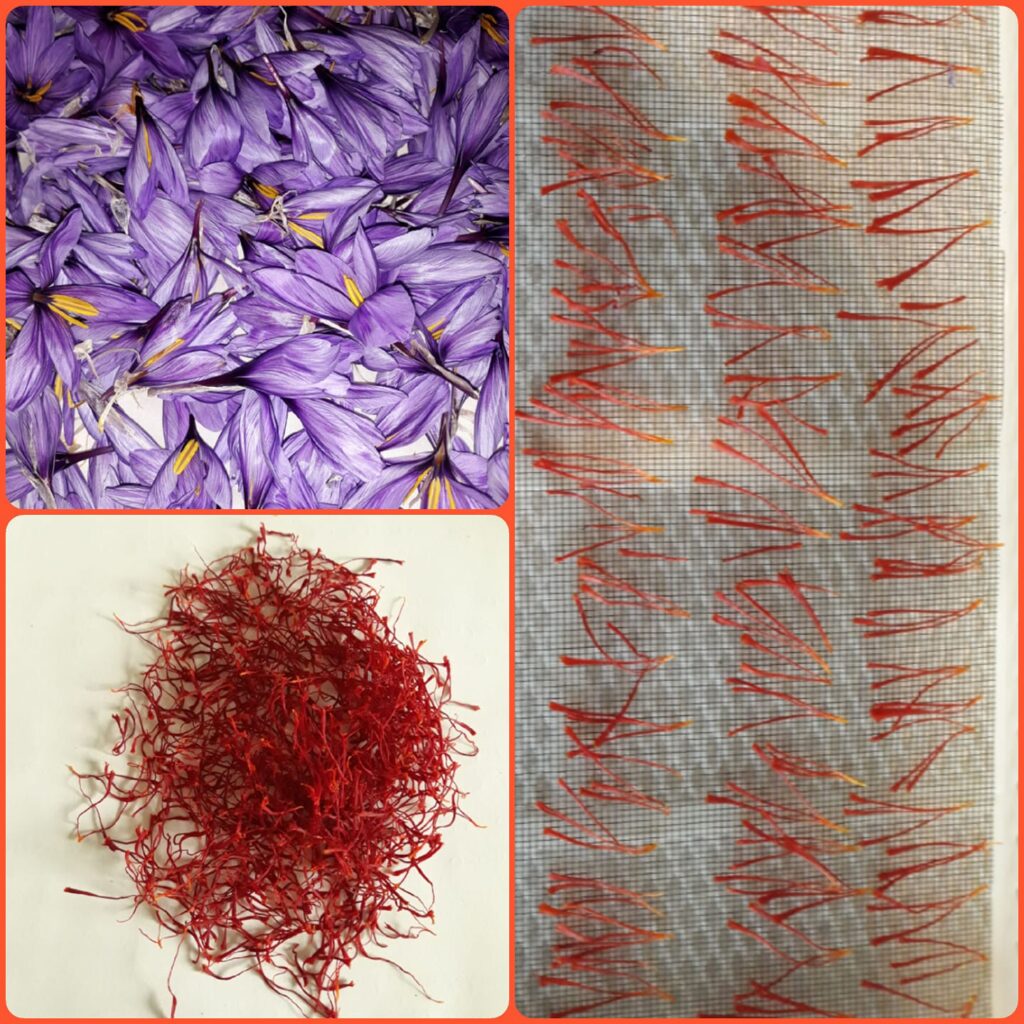
Harvesting saffron is a labour of great dedication, requiring attention, care and speed. The flowers of the Crocus sativus They are harvested at the first light of dawn, when the aroma, active ingredients and colour nuances are at their peak natural intensity. To preserve these precious characteristics, the transition from the field to the controlled environment must be swift: the pistils must be separated and sent for heat treatment within a matter of hours. Knowing exactly how to dry saffron It means transforming a perishable harvest into a stable, fragrant spice that can best express its aromatic complexity for months to come.
Why the drying of saffron is crucial
Drying is not simply a matter of dehydration, but a crucial stage in stabilising the red stigmas. After harvesting, these delicate filaments still retain a high percentage of water and are particularly vulnerable. Persistent moisture risks causing the fragrance to dissipate, triggering browning processes and spoilage. At the same time, the use of excessive or uneven heat – such as that generated by direct sunlight or a standard domestic oven used without care – irreversibly depletes the finest and most volatile aromatic notes, burning the pigments responsible for the characteristic golden colour.
The technical objective is to remove free water in a smooth and gradual manner. A dryer with horizontal airflow It ensures maximum consistency. In systems based on this principle, such as our Biosec system, the air flows through the product parallel to the trays, ensuring uniform heat exposure across the entire surface. With such a light and thin product, this geometric precision makes all the difference, eliminating the need to constantly turn the trays or expose the stigmas to harmful temperature fluctuations.
From harvesting to trimming: the hours that matter
The work begins in the field and continues at the cleaning table. The flowers must be processed quickly, taking care not to pile them up in deep containers where they could overheat or ferment. Trimming involves separating the three red filaments from the rest of the flower, minimising the inclusion of the yellow or white part of the style, in order to obtain a final product of the highest purity.
Controlled air: the technical process
After careful selection, the stigmas should be spread out on a clean tray, preferably using non-stick sheets or fine-mesh nets suitable for food contact, to prevent them from slipping through the holes in the baskets. It is essential to form a loose, well-spaced layer: small clumps of produce obstruct the flow of air, trapping moisture inside and resulting in an uneven drying process.
This precious spice is best dried gently, at a stable temperature of between 38 °C and 42 °C. This specific temperature range is ideal for promoting even drying: sufficient to remove moisture, yet gentle enough not to denature the enzymes and volatile aromatic compounds responsible for the flavour. Always follow the guidelines set out in the drying machine manual It helps to set the machine up correctly, but direct observation of the product remains essential. With a constant air flow, the average drying time can vary from 2 to 5 hours, depending largely on the size of the stigmas and the ambient humidity.
For small-scale growing and home cultivation, the Biosec domestic dehumidifiers They allow small quantities to be processed at a controlled temperature with horizontal airflow. Where, on the other hand, saffron drying forms part of an agricultural or processing operation, it is worth considering a Tauro professional solution tailored to the volumes of data collected and the need to repeat the process on an ongoing basis.
Signs of workmanship carried out to the highest standards
Saffron that has been processed to the highest standard feels dry, light and delicate to the touch, and retains its original volume without appearing dull or excessively dark. When a strand is gently bent, it should tend to snap cleanly. If, on the other hand, it is still elastic, the amount of free water within the fibres is still too high and the cycle will need to be extended.
The decision to transform the stigmas into saffron powder requires a superbly dried raw material. Grinding increases the surface area exposed to air, which is why a powder made from stigmas that have not been heat-stabilised would lose its fragrance in a very short time. High-quality saffron, whether whole or in powder form, must exhibit warm, vegetal and honeyed notes, with an intense and brilliant red hue.
Rest and the golden rule of preservation
Once the cycle is complete, a fundamental – yet often misunderstood – technical rule comes into play, relating to packaging. When it comes to packaging, bear in mind that a fully dried product retains its ideal crispness if it is jarred whilst still warm. This practice prevents the product, as it gradually cools on contact with the outside air, from reabsorbing the natural moisture present in the room, thereby undoing the delicate work carried out by the machine. By sealing the airtight container immediately after the spice has completed the process at the machine, you lock in the perfect level of crispness.
Storing the oil in a dark, dry place, inside a glass container, completes the maturation process. Leaving it for a few weeks before use allows the complex essential oils to harmonise and stabilise, ready to be rehydrated in a little lukewarm water before unleashing their full flavour in traditional Italian dishes.
If you’ve yet to choose the most suitable machine, find out more how to choose a saffron dryer depending on the type of production.
Expert's trick: Don’t throw away the flower petals you’ve just removed! The purple petals of Crocus sativus can be dried at a low temperature to create charming, natural potpourri for the home, or used to extract delicate natural dyes for fabrics and handmade paper. This approach is fully in keeping with the philosophy of zero-waste production.
Discover the secrets of natural craftsmanship, the techniques and the passion that drive our artisanal work.
*
 Italian
  English
  German
  Spanish
  French
  Romanian