




Freezing dried foods and food moths: myths, real risks and the correct procedure
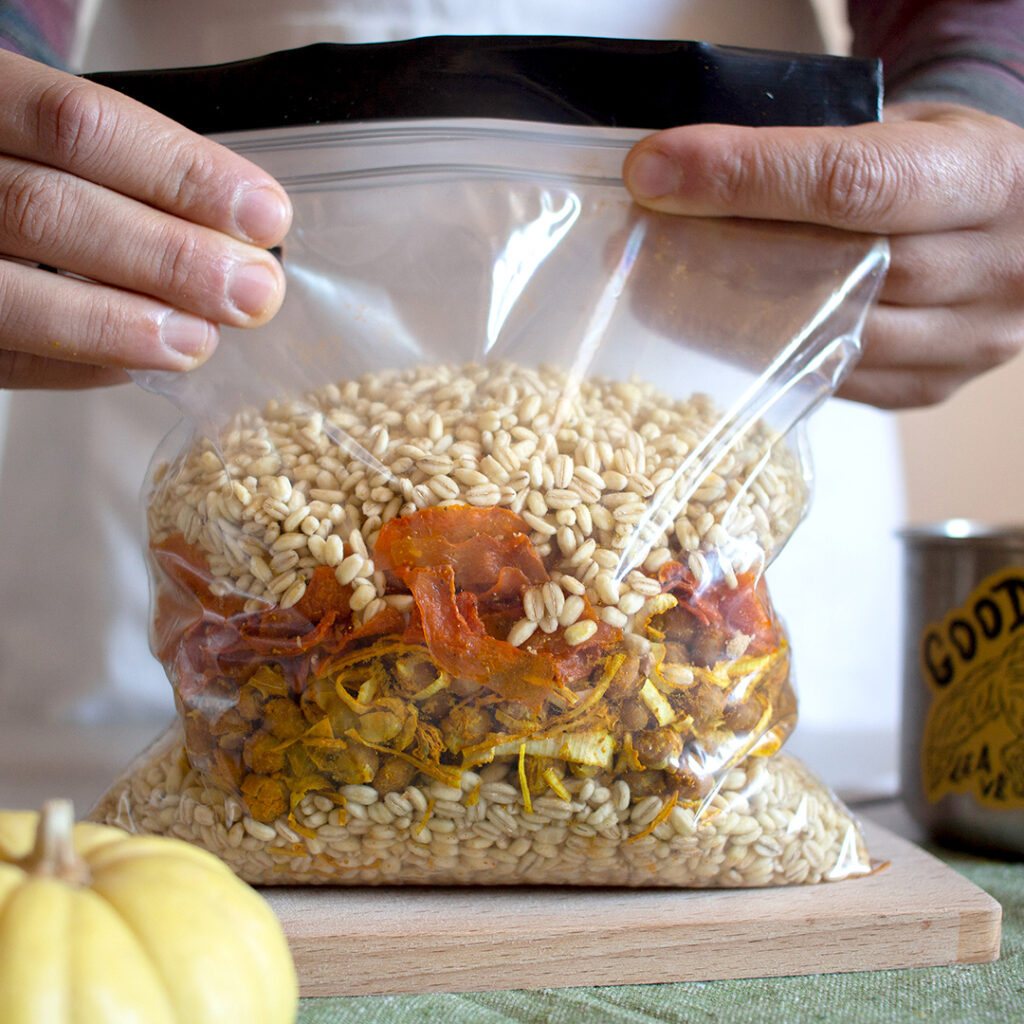
For those looking for an immediate answer they can put into practice straight away, the key point is simple: Freezing dried products is not a mandatory procedure, but an additional safety measure. A properly carried out dehydration process eliminates all forms of life inside the appliance. However, if the food is left exposed to the air in the room, even for just a few minutes, before being packaged, pantry moths may lay microscopic eggs on it. Placing the food in a domestic freezer at -18 °C for 48 hours eliminates eggs and larvae without spoiling the food. From a health perspective, moths do not produce toxic substances or poisons, but their droppings and cocoons can trigger allergic reactions in susceptible individuals, so it is always best to prevent the problem.
The essential summary for the lecture notes: the answer in 2 minutes
If you’re looking for a quick guide to refer to on the fly, here are the key points to bear in mind before putting your jars away on the kitchen shelves:
- The dryer eliminates pests: The hot air and severe dehydration make it impossible for the moths to survive during processing. Contamination occurs always afterwards, because the food is exposed to the air before being packaged.
- Toxicity versus allergic reactions: Moths do not cause poisoning from bacterial toxins, but their droppings (faeces), fragments of chitin and the silk from their cocoons can trigger allergic or respiratory reactions in susceptible individuals.
- The freezer does not affect dry food: As all the free water has been completely removed, no ice crystals form. The dried food retains its flavour, texture and crunch.
- Cold does not kill bacteria and mould: The freezer kills insects, larvae and eggs, but merely halts the activity of bacteria and mould. To protect against microorganisms, thorough drying is always required.
- When to freeze: This procedure is recommended in the event of prolonged exposure to the air, for drying at low temperatures (below 40 °C) or for dry products purchased or received as gifts from third parties.
Where do the moths come from? The risk arises after drying
Anyone who enjoys home preserving knows the deep satisfaction of filling glass jars with wholesome, fragrant and colourful ingredients: from porcini mushrooms gathered on autumn walks to aromatic herbs from the vegetable patch, right through to slices of crisp fruit ready for a snack. Drying preserves the freshness of the raw ingredients and helps eliminate food waste at home.
Sometimes, however, opening a jar that has been sealed for some time can bring an unpleasant surprise: the appearance of fine cobwebs, small cocoons or flying insects. This is the food moth (scientifically known as the flour moth or Plodia interpunctella).
In light of this, the first question that arises concerns the effectiveness of the process carried out within the device. It is worth clarifying a fundamental technical point: In a well-designed dryer, there is absolutely no risk of insects or eggs surviving. When using top-quality appliances and choosing to Discover the Biosec range of domestic dehumidifiers, the warm, horizontal airflow deprives the raw material of the water necessary for any insect to survive. The air envelops every single tray evenly, eliminating pockets of moisture and ensuring an environment hostile to pests.
Contamination occurs almost exclusively in the post-processing stage:
- The trays removed from the dehydrator are left open on the worktop to allow the food to cool.
- The containers remain uncovered for several minutes whilst they are being filled.
- Pantry moths, attracted by the smell of dry food, lay microscopic and completely invisible eggs on the surface.
When the container is closed, the innocent eggs are also sealed inside. As the weeks go by and the warmth of the home takes hold, the eggs hatch, giving rise to the larval cycle.
The scientific truth about the risks: toxicity, faeces, allergies and bacteria
A crucial question concerns food safety when these unwelcome guests are found: Do the larvae or their excrement make the foodstuffs toxic or a biological hazard?
Direct toxicity and toxicological safety
From a purely toxicological point of view, the larvae of Plodia interpunctella they do not produce endogenous toxins or poisons. Unlike pathogenic bacteria (such as the Clostridium botulinum) or moulds capable of producing mycotoxins, food moths do not secrete harmful chemicals. Food that has come into contact with a larva does not cause classic food poisoning.
Faeces, fragments and allergic reactions
However, the presence of an infestation should not be underestimated. As the larvae feed on organic matter, they release solid waste (faeces), exoskeletons shed during moulting (chitin) and silk threads with which they weave their webs into the food.
These protein-based residues are a known potential allergen. In people who are hypersensitive, asthmatic or predisposed to allergies to dust mites and insect by-products, the accidental ingestion or inhalation of dust from a contaminated container can trigger allergic reactions, gastrointestinal irritation or respiratory symptoms. The build-up of faeces and slime also compromises the hygiene and organoleptic quality of the raw material, making it necessary to dispose of the product in the event of severe infestations.
Microbiological safety: the deception of the cold
A second conceptual error is to regard the freezer as a universal sterilisation tool. It is essential to distinguish between the effects of low temperatures:
- On insects: A temperature of -18 °C mechanically destroys eggs, larvae and adult insects.
- On bacteria and mould: The freezer It does not kill bacteria or mould spores. The intense cold suspends the metabolic activity of the microorganisms, causing them to enter a state of dormancy. When the container returns to room temperature, in the presence of condensation or residual moisture, the microorganisms resume multiplying.
For this reason, the only real protection against bacteria and mould lies in thorough drying, such as that guaranteed by the Dryset Pro electronic system, designed to regulate the dehydration parameters. The freezer proves to be an excellent ally specifically for insect control.
The physics of cold: why freezing doesn’t spoil dried food
Those who are new to drying often express a legitimate concern: “”Won’t putting dehydrated products in the freezer make them go soft or spoil their texture?””. The answer lies in the cellular structure of food and the physics of water.
When a fresh vegetable (such as a courgette, a aubergine or a strawberry) is frozen, it contains up to 90% of water. In the freezer, the water turns into ice crystals which, as they expand, tear the cell walls. Upon thawing, the damaged cell walls can no longer retain fluids: the food loses water and takes on a mushy texture.
With dried food, the opposite happens. Thanks to the work of the dryer, the free water has been almost completely removed. Without water, ice crystals cannot form.
Storing food in the freezer therefore offers the following benefits:
- It preserves the food’s original structure and crispness.
- It preserves the fragrances, flavours and organoleptic characteristics.
- It does not cause any mechanical or structural changes to plant tissues.
- It acts selectively by neutralising the viability of eggs or larvae present on the surface.
The correct step-by-step procedure
To carry out cold treatment on your most precious stocks (aromatic herbs, dried mushrooms, spices, seeds or flours), we recommend following this four-step protocol:
- Immediate, airtight packaging: Make sure the dried food is cool and thoroughly dehydrated. Put it straight away into airtight containers: glass jars with rubber seals or thick plastic bags that have been heat-sealed.
- Freezer treatment (-18 °C for 48 hours): Place the sealed jar in your domestic freezer, set to at least -18 °C for a minimum period of 48 consecutive hours. This period ensures that the temperature drops to the required level even at the very centre of the container.
- Defrosting in a pot that is STRICTLY SEALED: I took the jar out of the freezer, Do not open the lid under any circumstances until the container has reached room temperature (this will take a few hours). If the jar were to be opened whilst it is still cold, the moisture in the air would condense on the dried produce, reintroducing water and undoing the drying process.
- Repeat if necessary: This process can be repeated as often as you like. If, during the summer, you accidentally leave a jar open and notice that there are small moths in your home, simply close the jar again and put it back in the freezer for 48 hours.
Is this a compulsory procedure? When is it advisable to carry it out?
There is no need to make freezing a fixed rule for every batch of dried food. Proper drying alone ensures that the food keeps well over time. The preliminary treatment should be understood as additional protection, to be used only in specific contexts:
Prolonged exposure to the air
If dry goods have been left out on worktops for a long time before being packed, and you suspect there may be moths in your home, a spell in the freezer will keep your pantry safe.
Low-temperature drying (Raw food)
When using gentle programmes at low temperatures (such as 40 °C cycles designed to preserve essential oils or the properties of raw food), the temperature of the airflow may not be sufficient to kill off any eggs already present on the raw material. The freezer completes the decontamination process without altering the heat-sensitive components.
Products purchased or received as gifts
When you bring home dried mushrooms bought at markets or receive dried herbs as a gift without knowing how they were processed, giving them a quick freeze first prevents pests from getting into your pantry. For those handling large quantities or running a professional business, it is worth considering the range of B.Master professional dryers, designed to ensure high flow rates and optimum air management.
By understanding the raw materials and following these practical tips, you’ll be able to keep your larder healthy, safe and secure all year round. Happy drying!
Photo credits
Giulia from REBELside
 Italian
  English
  German
  Spanish
  French
  Romanian