




Sun-dried tomatoes in oil
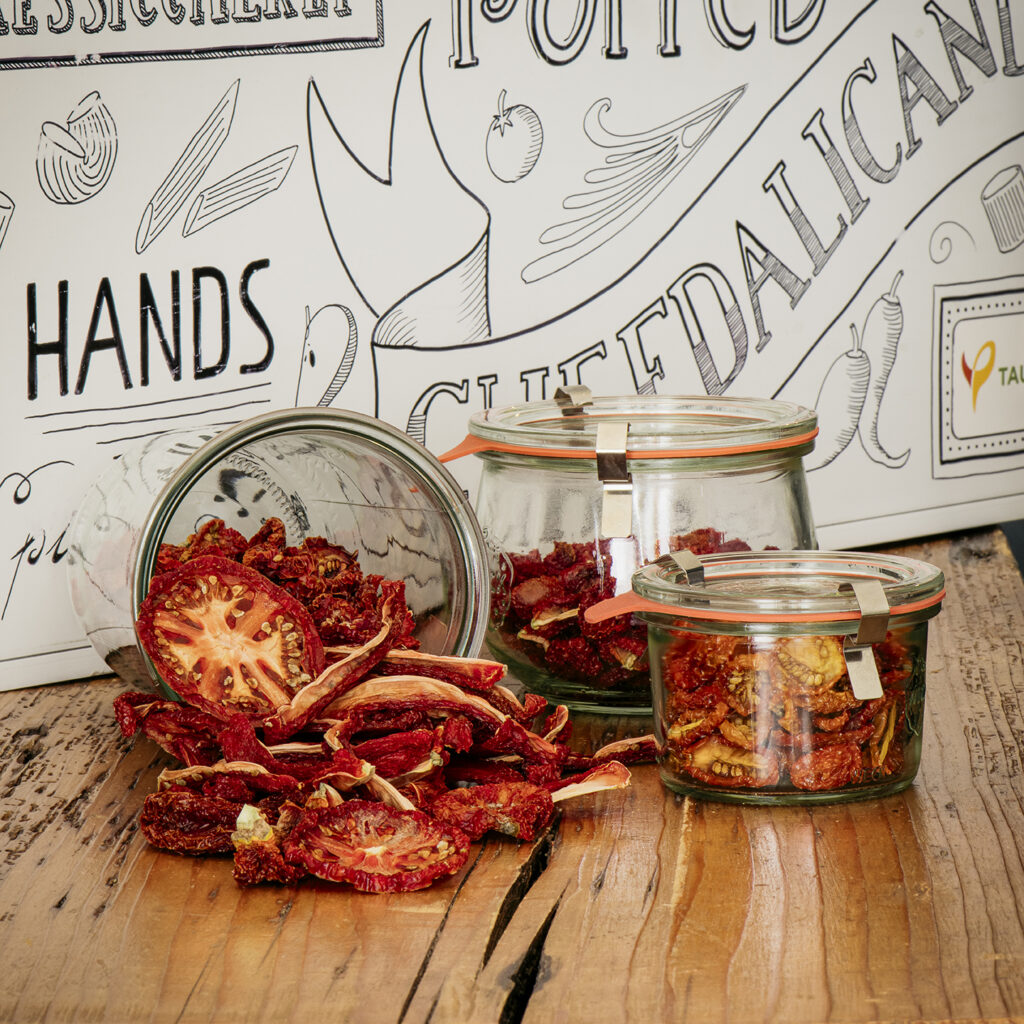
Sun-dried tomatoes in oil: the quick method for a guaranteed result that’s light and waste-free
If you love sun-dried tomatoes in oil But if you’re worried about the risks associated with home-made preserves, or are simply fed up with using litres of oil to fill the jars, you’ve come to the right place. Today we’re turning the traditional rules of the larder on their head and presenting the espresso method.
The underlying concept is as simple as it is revolutionary: The tomatoes are stored completely dry, in airtight jars, and are only seasoned when needed. In just a few minutes, without the need for complicated sterilisation processes and by eliminating the risks typically associated with long-life preserves in oil, you can serve up an exceptional starter that is light, economical and retains its full flavour.
Forget those old jars full of oil: here’s how to make your own sun-dried tomatoes – it’s easy, quick and foolproof.
The quick method: how to season sun-dried tomatoes in 5 minutes
Quick preparation is the smartest way to enjoy dried vegetables. You won’t need to blanch anything in a saucepan, you won’t need to squeeze the tomatoes and, above all, you won’t throw anything away. The secret lies in measuring out the liquids so that they are absorbed completely.
The step-by-step procedure
- Weigh the ingredients: Take the amount of sun-dried tomatoes you intend to use from your storage container. The golden rule is to prepare a quantity of liquid equal in weight dried tomatoes (e.g. 100 grams of tomatoes = 100 grams of liquid).
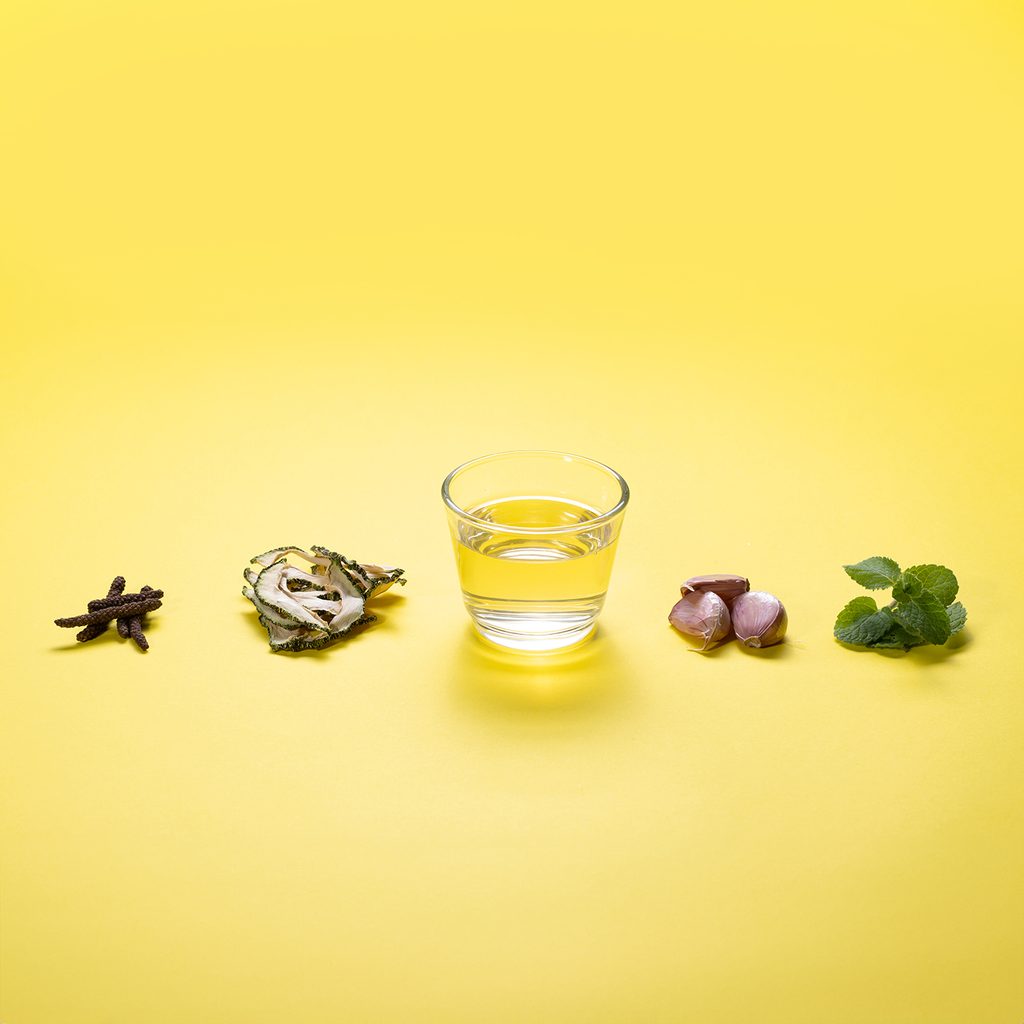
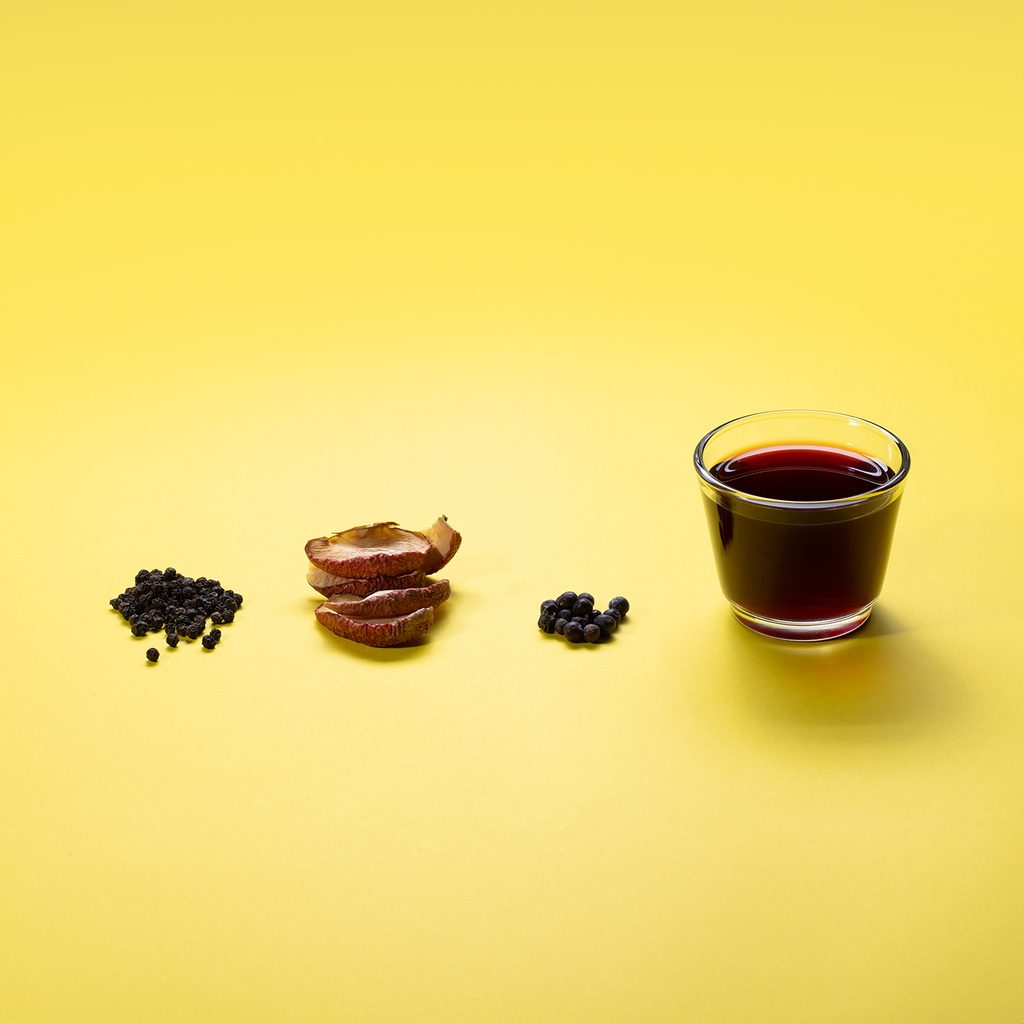
- Prepare the hot liquid and soften the ingredients in a small saucepan: Bring your chosen liquid to the boil, as the heat significantly speeds up rehydration, making the process even safer. The base liquid is water, to which you can add your favourite flavourings: for tomatoes, water with a small amount of balsamic vinegar (less than a quarter of the total), but you can also use just wine, water and wine, or water and wine vinegar, enriching the mixture with ground spices or chilli. Drop the sun-dried tomatoes straight into the saucepan with the boiling liquid, give them a quick stir with a fork to ensure they are well coated, and then pour the whole mixture (tomatoes and liquid) into the glass jar.
- Absorption in the jar: Once you have transferred everything into the jar, wait for the mixture to cool down a little before closing the lid. At this point, seal it tightly and give the jar a gentle shake or turn it upside down from time to time. The liquid will be absorbed completely naturally in just 5–10 minutes.
- The finishing touch: At this point, open the jar and add the oil. Please note: you only need a tiny bit, just a splash to season and glaze the tomatoes. There’s absolutely no need to cover them! Now add some fresh herbs, such as a few basil leaves, or a clove of garlic to taste, and serve
- How long does it keep for? They should be rehydrated just before serving, and if they are not eaten straight away (within two hours), they should be kept in the fridge. Any leftovers (which are actually very rare) can be kept in the fridge for two or three days
The advantages of this technique
- Lightness and health: As they are not immersed in oil, the tomatoes will contain far fewer calories.
- Financial savings: By using just a spoonful of oil for dressing rather than whole glasses to fill the jar, you can treat yourself to the very highest quality extra virgin olive oil without worrying about having to throw it away later.
- Pure flavour: As the tomatoes do not need to be heavily acidified for safety reasons, the sweet, intense flavour of the sun-ripened tomatoes – concentrated by the drying process – will remain the undisputed star of the dish.
In-depth analysis: why you should avoid traditional oil-preserved preserves
Now that you know how to achieve a perfect result in just a few minutes, it’s important to understand the because We do not recommend the traditional method of long-term storage in jars of oil. The answer can be summed up in one word: safety.
Storing food in oil creates an oxygen-free environment. This condition provides the ideal breeding ground for the Clostridium botulinum, the bacterium responsible for the Botox. The spores of this microorganism can produce lethal toxins if they encounter residual moisture and an environment that is not sufficiently acidic.
The Ministry of Health’s guidelines stipulate that, to ensure the safety of home-made preserves in oil, the food must have a pH of less than 4.6. To achieve this at home, one is forced to blanch the tomatoes in solutions containing very high percentages of vinegar. This step, as well as being laborious, completely distorts the flavour of the vegetable, resulting in an extremely acidic product that masks the original taste, followed by heat treatment (pasteurisation), which further alters the texture and flavour.
Furthermore, it is almost impossible to determine the actual level of acidity in the centre of a tomato without laboratory equipment. Store the tomatoes, once they are completely dry, in the larder It completely sidesteps the problem: the absence of water prevents any bacteria from multiplying. When you rehydrate it using the ‘espresso’ method, treat the dish just like any other fresh dish: it should be eaten straight away or kept in the fridge for a maximum of 48–72 hours.
How to dry tomatoes the proper way
For the espresso method to work perfectly, you need a raw ingredient that has been dried to perfection. Choose firm, ripe tomatoes (San Marzano or Piccadilly are perfect, but datterini tomatoes also give spectacular results), wash them, cut them in half or, better still, into quarters lengthways, and arrange them on the trays with the cut side facing upwards. With a good dehydrator, there’s no need for salt or draining.
For safe and even drying, it is best to use equipment designed for this purpose. We invite you to Discover the automatic programmes for Biosec dryers. Thanks to the horizontal airflow technology, the hot air circulates evenly around each basket, so you don’t need to move the shelves during the drying cycle.
If you are using a Tauro Dryset Pro electronic system, simply select the T5 programme, designed specifically for fleshy, water-rich produce. The tomatoes will be ready when they feel pliable yet firm, with no damp patches when touched.
For farms that have to manage large harvests, there are scalable, high-performance solutions: you can find out more about the features of B.Master professional dryers, designed to ensure the same quality as handcrafted products but on a large scale.
Not just tomatoes: the versatility of the espresso method
The idea of seasoning just before serving isn’t limited to tomatoes. You can apply this technique to a wide range of previously dried produce from your vegetable garden, creating side dishes and appetisers in the blink of an eye. Pumpkins, courgettes and peppers, as well as fruits such as persimmons and peaches, can be used with this ‘express’ method to create a unique and original appetiser preserved in oil. For low-acidity vegetables such as courgettes or pumpkin, always include an acidic component (vinegar or wine) in the rehydration liquid and consume them on the same day.
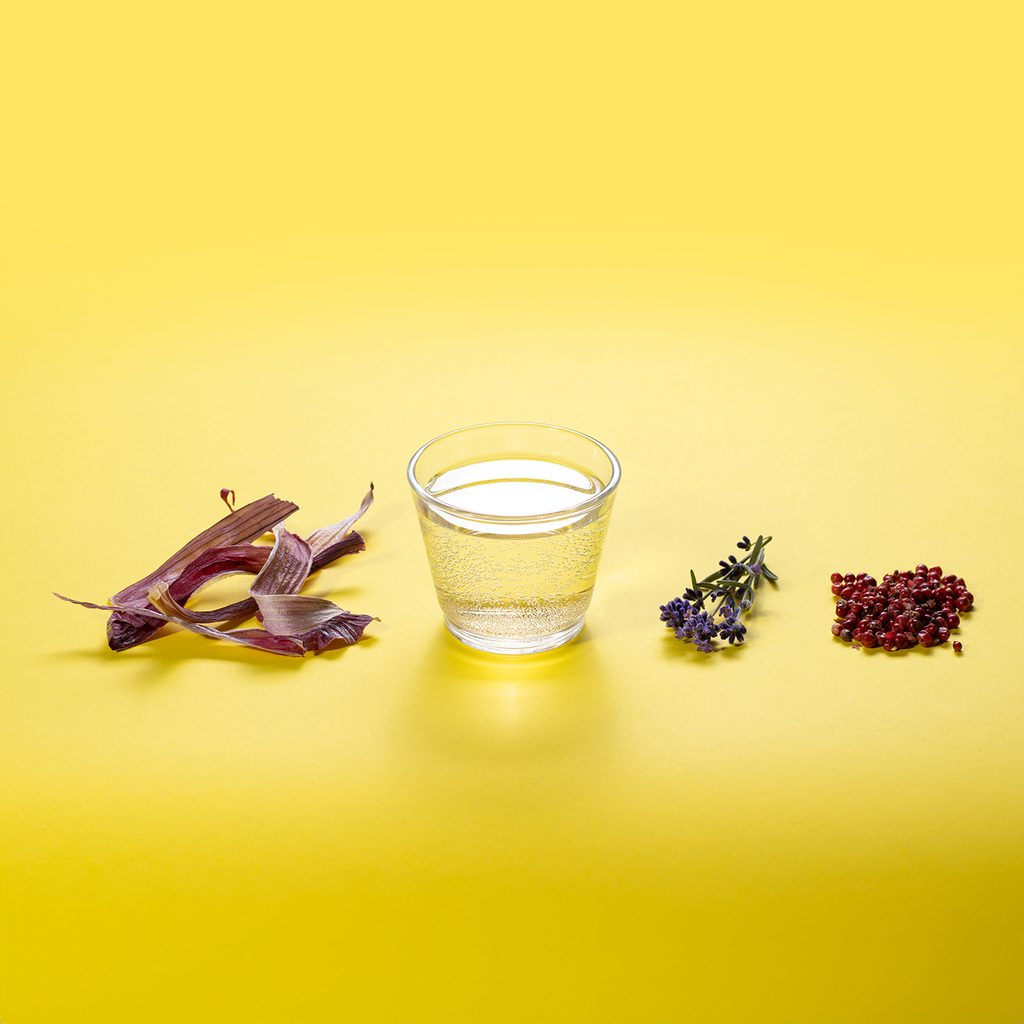
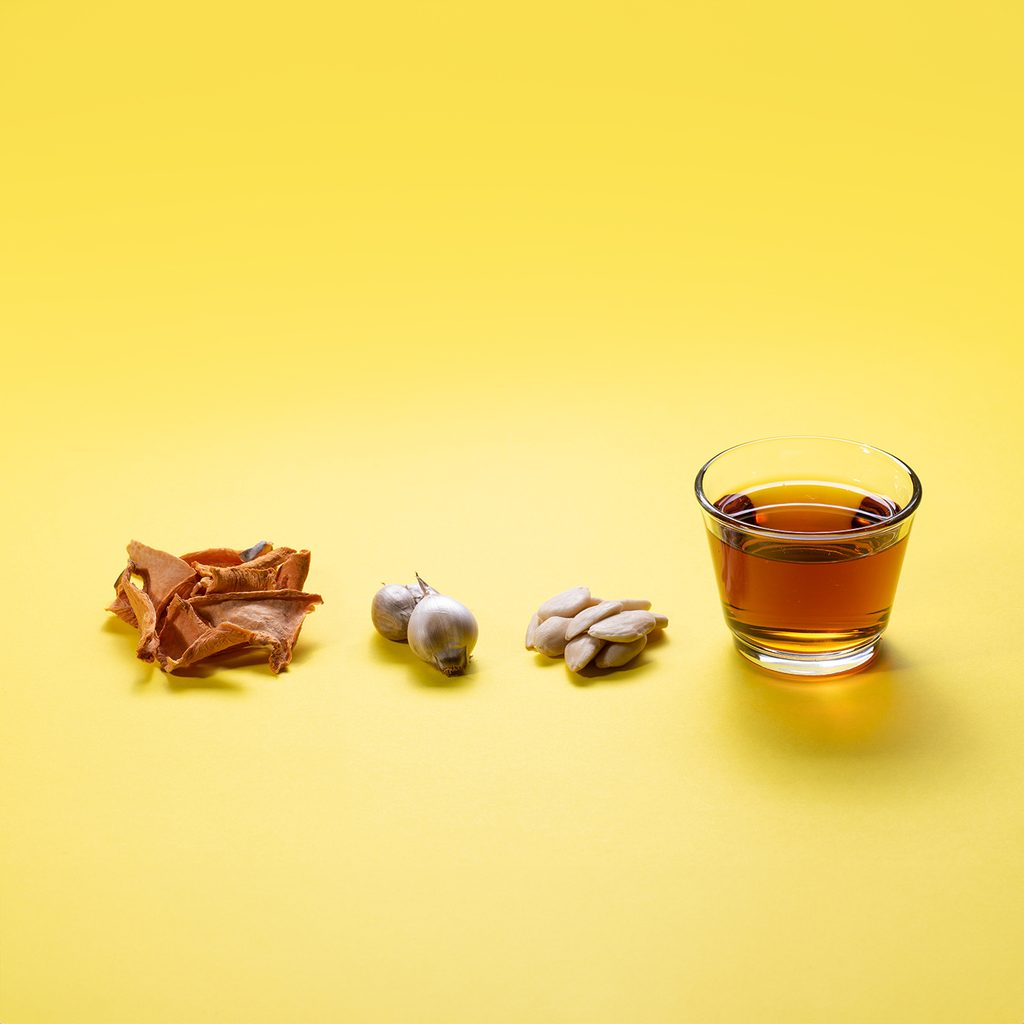
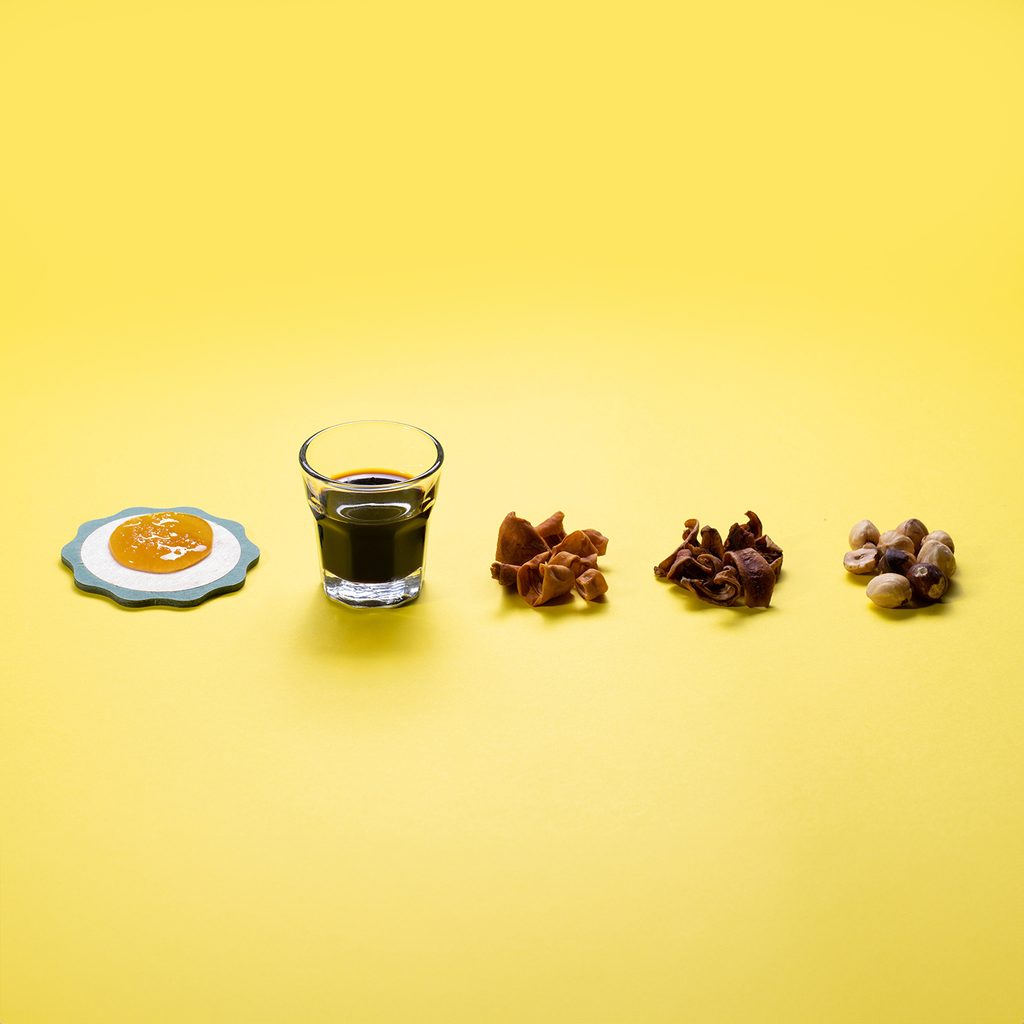
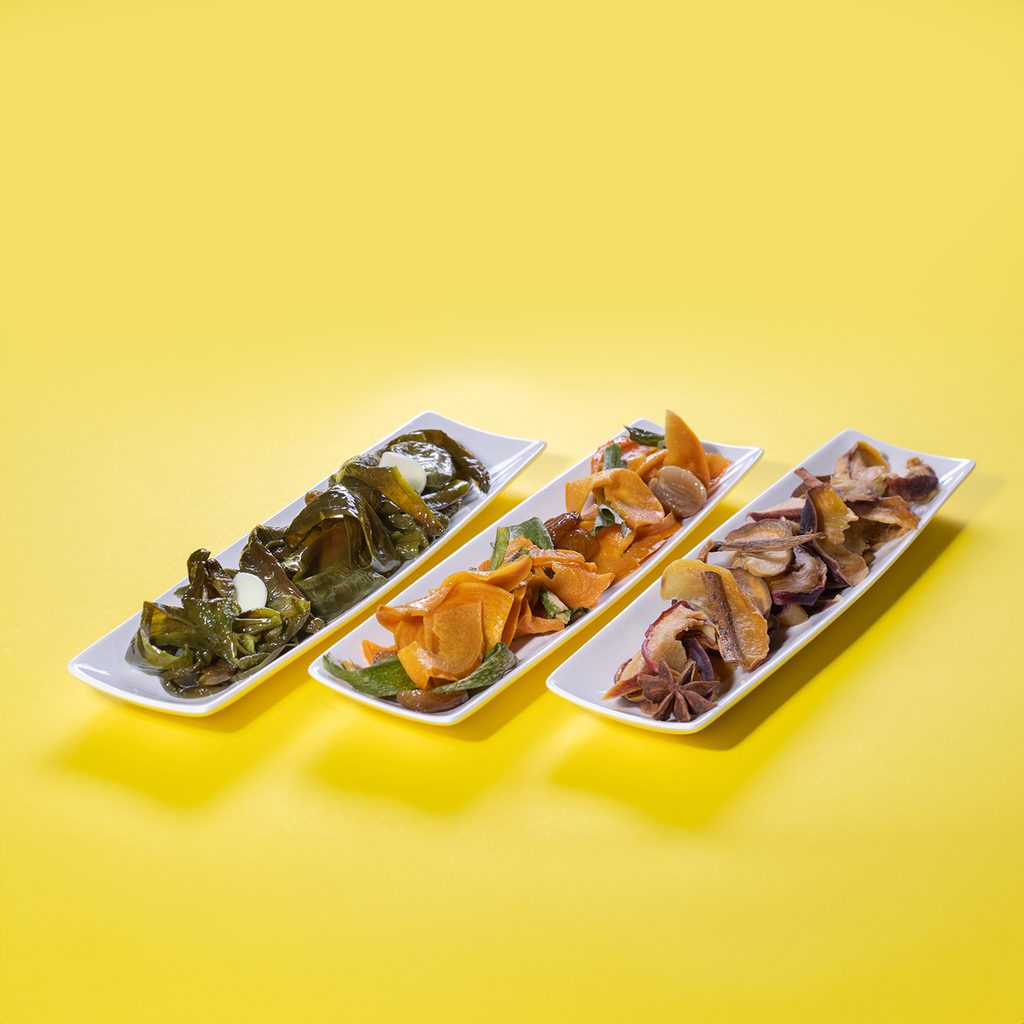
Choosing to dry and store food means treating it with respect, bringing out its authentic flavours and cooking with the peace of mind that comes from knowing exactly what you’re serving up.
The result of the Paolo Dalicandro’s ongoing experimentation; our blog features numerous in-depth articles on the subject dedicated to safe preservation, pickling and the art of making fresh tomato sauce.
Photo credits
Marcella Cistola / Igor Todisco
 Italian
  English
  German
  Spanish
  French
  Romanian