




Homemade raisins: method and quality
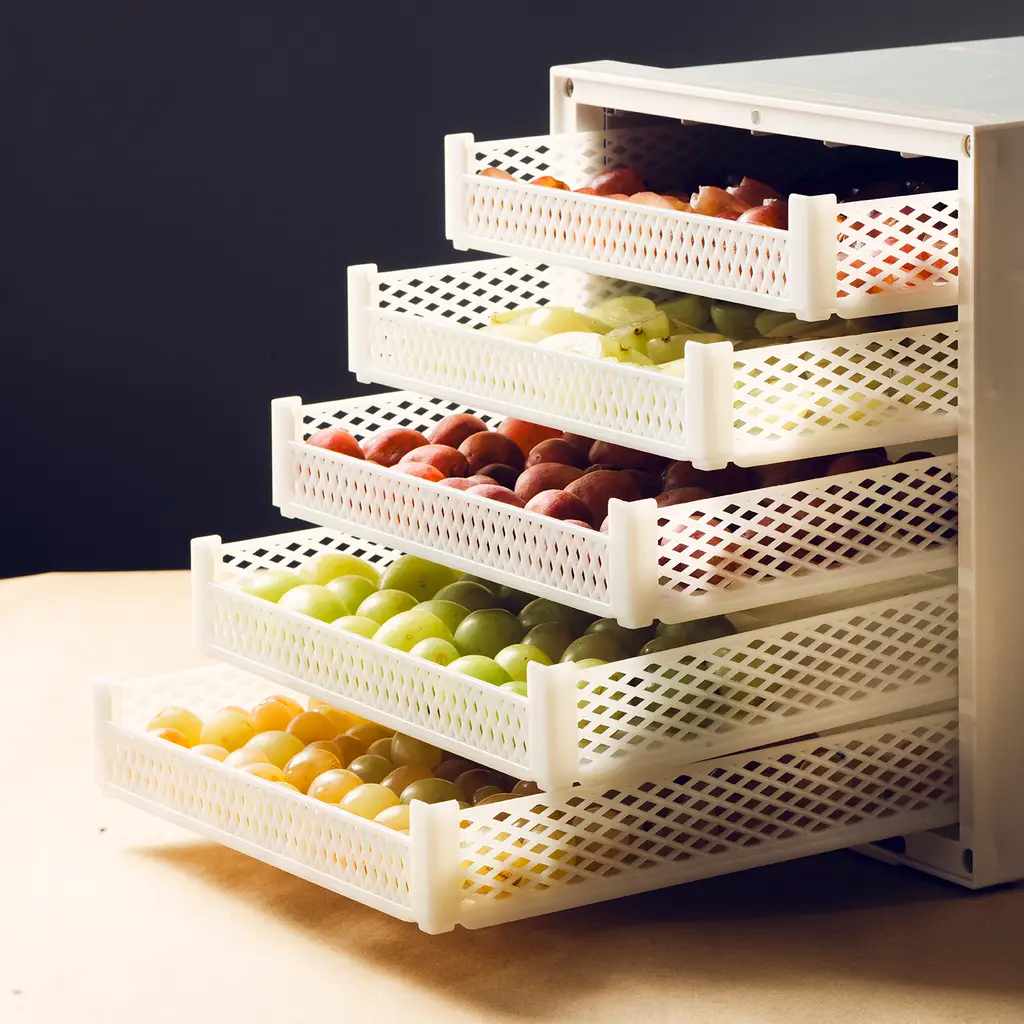
Raisins are not simply an ingredient to be tucked away at the back of the cupboard: they represent a practical, natural and effective way of extending the shelf life of seasonal grapes, concentrating their fragrances, varietal aromas and natural sweetness without resorting to chemical additives or refined sugars. Preparing them at home or in your own artisan workshop requires care in selecting the raw materials and precision in managing heat levels, but guarantees an unmistakable result: soft grapes, retaining their colour and boasting an authentic flavour profile.
Raisins: what they are and why they are dried
The term ‘raisins’ refers to grapes that have undergone a dehydration process which removes almost all of their free water. Drastically reducing the internal moisture content lowers the water activity (a parameter known as Aw), naturally inhibiting the growth of mould and bacteria and halting the processes of spoilage. At the same time, the reduction in water content concentrates the natural sugars present in the fruit, such as fructose and glucose, along with fibre and minerals.
The drying of grapes is part of the most ancient rural tradition, developed to ensure that the bounty of the vineyards was not wasted at the end of summer and to preserve precious energy reserves during the winter months. Traditionally, the grapes were laid out in the sun on wicker mats; a fascinating practice, but one exposed to sudden changes in temperature, night-time damp, dust and insects, with the frequent risk of unwanted fermentation or excessive oxidation.
Today, controlled drying makes it possible to revive this traditional practice with the utmost technical precision. Through careful temperature control and continuous ventilation, the grapes retain their nutritional qualities without the pulp being subjected to thermal stress. Furthermore, making your own raisins offers a decisive quality advantage over industrial products: you can avoid synthetic preservatives such as sulphur dioxide and sulphites (often used to preserve unnaturally pale colours), and rule out the addition of mineral oils used to make the grapes artificially shiny. The result is a clean, sustainable food that meets your taste preferences: you can choose to keep them softer and fleshier for baking, or drier for dry mixes, infusions and long-term storage.
Which grapes should you choose for making raisins?
The success of the process always begins in the vineyard or at the market stall. The fundamental rule of drying is that the process removes only water: it concentrates the virtues of the raw material, but also makes its flaws all the more evident. It is therefore essential to select healthy bunches that have reached full sugar ripeness, with intact skins and free from any parts affected by mould.
Seedless varieties, such as Thompson Seedless, white sultanas or red varieties, are among the most convenient and versatile, as once dried they are ready for immediate use in doughs or as a snack. However, grapes with seeds, such as traditional local table or wine varieties (for example, Moscato or Zibibbo), also offer extraordinary aromas and a rustic texture; in this case, it is advisable to cut the grapes in half before processing to remove the seeds by hand.
Another key factor is the structure of the skin and the presence of bloom, the characteristic whitish waxy coating that protects the fruit. Small grapes with thin skins dry out evenly. Large, fleshy fruits with a thick skin, on the other hand, act as a natural barrier to the evaporation of internal moisture, requiring longer drying times and appropriate preliminary preparation.
How to make raisins in a dehydrator
Drying grapes requires patience and a gentle touch. The aim of the drying process is to encourage the migration of water from the centre outwards without hardening the surface (a phenomenon known as surface encrustation) and without exceeding the thresholds at which sugars begin to caramelise, thereby altering the flavour.
It is the airflow dynamics that make the difference. In horizontal airflow dryers, such as the Biosec and B.Master systems developed by Tauro Dryers, the flow enters at one end and passes uniformly along the length of all the trays before being expelled. This continuous movement prevents moisture build-up inside the chamber and eliminates the need to periodically rotate or reverse the position of the baskets, ensuring uniform heat treatment of every single grape.
Preparing the grapes
Gently remove the grapes from the stem, discarding any that are damaged. Hygiene is a crucial step: just as with mushrooms and any other produce harvested from the ground, grapes must always be washed thoroughly under running water to remove any traces of soil, dust and impurities. Disregard the urban myths that advise against washing them: cleaning the produce is the first step towards safe and healthy storage.
After washing, dry the grapes with a clean cloth or leave them to drain on a perforated surface. Any residual surface moisture would unnecessarily prolong the cycle start-up time.
Arrange the grapes on the trays in a single layer, leaving a few millimetres of space between each grape to allow air to circulate freely around the entire surface of the food.
The expert’s tip: making tiny slits in the skin
Grape skins are naturally impermeable, designed to keep the juices inside the flesh. To help the moisture escape without having to cut open every single grape, you can use a traditional technique: quick blanching.
Plunge the whole grapes into boiling water for 15–20 seconds, then drain them and immediately transfer them to a bowl of cold (iced) water to stop the cooking process. This sudden change in temperature causes microscopic cracks to form in the waxy cuticle of the skin without cooking the flesh. Once dried and placed on the trays, the grapes will lose their internal moisture at a significantly faster rate, reducing the entire processing cycle by several hours.
Alternatively, for large grapes or seeded varieties, you can cut them in half lengthways, arranging the halves with the flesh facing upwards to prevent the juice from dripping onto the floor of the tunnel.
Temperature and approximate cooking times
For to produce aromatic, soft raisins, the air temperature must be maintained between 50 °C and 55 °C. With the DrySet Pro system in Biosec’s domestic range of dehumidifiers, you can select the P1 Automatic programme or operate at 50 °C using the P2 or t4 programme, whilst always following the instructions of their own dryer.
Processing at moderate temperatures helps to preserve the organoleptic properties and heat-sensitive micronutrients, whilst preventing enzymatic degradation. Drying times generally range from 24 to 48 hours, with variations depending on the size of the grapes, the initial sugar content, whether the grapes have been blanched, and the humidity level of the ambient air.
Checking the degree of drying is simple: the grape must be visibly shrivelled, with a rubbery and elastic texture, but perfectly dry on the inside. When you squeeze the fruit between two fingers, no liquid should seep out. If there are grapes of varying sizes in the batch, remove the ones that are ready as you go along, leaving the larger ones to continue drying: in a horizontal-flow dryer, you never run the risk of burning the produce.
Mistakes to avoid: heat, humidity and packaging
One of the most common mistakes is setting the temperature too high in an attempt to speed up the process. Heat exceeding 60–65 °C causes the outer skin to dry out rapidly, blocking the natural transpiration of the pulp; whilst the grape may appear dry on the outside, it will retain a core of internal moisture that will lead to mould during storage.
A second mistake concerns the arrangement: stacking the grapes on top of one another prevents air from circulating freely, creating pockets of steam that slow down evaporation.
The most critical mistake, however, concerns the potting stage. Many people mistakenly believe that the dried product must be left to cool in the open air before being sealed in a container. This procedure is harmful: dehydrated food has a very low residual moisture content and is highly hygroscopic. If left to cool in contact with the air in the room, it will tend to absorb ambient moisture rapidly, losing its optimal texture and compromising its shelf life.
The fully dried product retains its texture and nutritional value if it is jarred whilst still warm, straight out of the dehydrator. This ensures the container is sealed before the food can reabsorb moisture from the surrounding environment.
Storing homemade raisins
To store raisins, use clean and completely dry glass jars fitted with screw-top lids or airtight seals. There is no need to sterilise the jars: the absence of water in the food itself acts as the primary biological barrier against any bacterial growth.
Store the jars in a cool, dry place away from direct light, which could cause the natural colours to fade. In the first few days after sealing the jars, check the inside walls of the jars: if you notice any traces of condensation or if the grapes tend to clump together in a sticky manner, this means that there was still too much residual moisture. In that case, you can remove the product straight away and put it back in the dehydrator to complete the process, thereby saving the harvest.
If stored correctly in the dark and in sealed containers, raisins retain their organoleptic properties for over a year, lasting until the next grape harvest.
Ideas for making the most of raisins in the kitchen
In the kitchen, homemade raisins offer a purity of flavour that enriches both sweet and savoury recipes. They are the soul of artisan sweet breads, oven-baked leavened goods, doughnuts, biscuits, strudel and breakfast mixes with oat flakes and seeds. In savoury dishes, they are a staple of traditional Italian regional cuisine: from stuffings for meat and vegetables to salads made with ancient grains, right through to iconic dishes of Venetian and Mediterranean cuisine, such as sarde in saor, baccalà and escarole stewed with olives and pine nuts.
If you wish to use it in doughs, rehydrating it briefly for 15–20 minutes brings out its softness. You can rehydrate it in lukewarm water, or alternatively in a flavoured infusion, a sweet wine or a local spirit to impart an aromatic nuance that complements the final dish.
For the farms, agritourism establishments and food processing facilities, drying grapes is also an ethical and economic choice of the utmost importance: it enables ripe bunches – which are excluded from direct sale due to size or overproduction – to be utilised, transforming potential waste into a gastronomic resource with high added value, one that remains stable over time and is deeply rooted in the identity of the local area.
Discovering the world of food drying means adopting a mindful approach to cooking and the seasonality of ingredients. With Tauro Essiccatori’s professional and domestic systems and solutions, every harvest is preserved at its peak and enjoyed every day, backed by the guarantee of ‘Made in Italy’ craftsmanship.
 Italian
 English
 German
 Spanish
 French
 Romanian