




Dried pet food: quality, safety and production methods
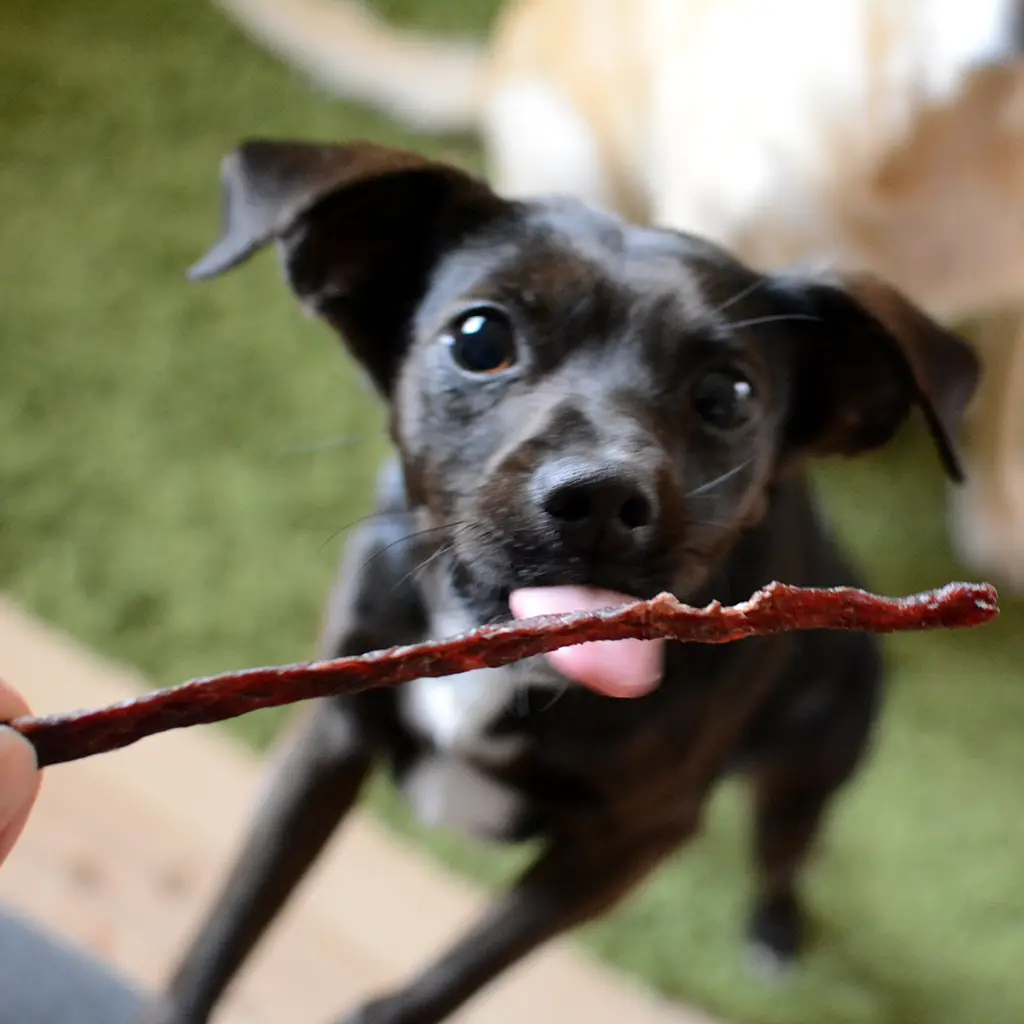
A well-made dried pet food begins before the machine comes into play: with the careful selection of suitable raw materials, an in-depth understanding of the animal for which it is intended, and a production process managed with genuine technical rigour. For those wishing to produce natural snacks for dogs and cats, drying does not simply mean removing liquids, but carefully reducing the free water present in the tissues to stabilise the food over time. This process concentrates aromas, flavours and nutrients without altering them, without resorting to chemical additives, artificial colourings or synthetic preservatives.
This methodology is a valuable resource for both home-based self-production aware of both the pet food manufacturers who wish to make the most of meat, fish, fruit or vegetables by transforming them into complementary foods with high added value. However, the simplicity of the process should not be misleading: a dehydrated snack is not automatically safe, balanced or suitable for every dietary requirement. True quality is achieved by combining respect for the raw ingredients, meticulous hygiene, correct airflow settings and a sound understanding of nutrition.
What is dried pet food?
Drying is a natural preservation process in which the water contained in food is removed through the combined action of a continuous flow of air and controlled, constant heat. By drastically reducing water activity (a parameter technically known as aw), the microorganisms responsible for biological spoilage – such as bacteria, moulds and yeasts – are deprived of the essential element they need to multiply. The result is a food product that is hygienically stable, lightweight, easy to portion and has a long shelf life.
In the world of pet food, this method is used to create training treats, functional chews and toppings to add to meals: strips of lean meat, fish fillets, selected offal, carrot rounds, diced pumpkin or carrot, or apple slices. The aim is not to produce a haphazardly dehydrated and hardened piece, but a uniform snack that is pleasant to chew, capable of retaining its original colour and a clean, inviting aroma for the pet.
It should be clarified that drying is not the same as freeze-drying, which involves freezing and a high vacuum, nor is it the same as industrial extrusion processes carried out at very high pressures and temperatures.
Because the quality of the raw material comes first
The dehydrator acts as a natural amplifier: it concentrates and lays bare every quality and every flaw of the original ingredient. It is not possible to correct a poor cut, mask meat that is not entirely fresh, or make up for unhygienic handling. Anyone producing pet food must use only fresh, traceable raw materials that are fit for human consumption.
When preparing meat and fish, you should strictly opt for lean cuts, such as chicken or turkey breast, beef round, heart or white fish. Fat is the worst enemy of the drying process: lipids do not evaporate in warm air and, upon prolonged contact with oxygen, undergo oxidation and rancidity, compromising the preservation and health of the animal. Any visible traces of fat or skin must therefore be carefully trimmed away with a sharp blade before cutting.
For farms and small-scale artisan businesses, drying also offers a practical way to tackle food waste. Seasonal surpluses of fruit and vegetables, such as ripe pumpkins or freshly picked apples, can be turned into vegetable crisps and chips, as well as fibre-rich dehydrated biscuits. However, the ethos of upcycling does not allow for any compromise on quality: only whole, healthy fruit is used, never mouldy offcuts.
A crucial step involves the preliminary cleaning of plant-based raw materials. Just as with fruit and vegetables, when handling mushrooms or roots intended for animal feed, it is essential to wash them thoroughly under running water to remove any soil residue and impurities. We must dispel the common misconception that water should not be used: meticulous cleaning, followed by quick drying with a clean tea towel, is the first line of defence for hygiene and safety.
Seasonal variety enriches a pet’s diet, but requires careful consideration. Dogs and cats have a specific digestive physiology and cannot eat all foods intended for human consumption. Grapes, raisins, onions, garlic, chocolate and the green parts of nightshade plants are toxic to domestic carnivores. If you have any doubts about whether a vegetable is suitable, the correct quantity or how often to feed it, consulting a vet specialising in nutrition beforehand remains an indispensable and absolutely essential step.
Safety: drying is no substitute for hygiene
Although reducing moisture content ensures microbiological stability over time, drying is not the same as heat sterilisation. Pathogenic bacteria such as Salmonella, Campylobacter or Listeria can survive if hygiene standards and operating temperatures are not strictly controlled. The utmost care must be taken when preparing raw animal tissues.
The workshop or kitchen must operate according to linear, controlled workflows: sanitiseable steel worktops, dedicated chopping boards for animal proteins, disinfected knives and frequent hand washing. Any cross-contamination between raw meat, products undergoing dehydration and other foodstuffs present in the area must be prevented.
A crucial technical factor is the consistency of the cut. The strips or slices must be of a standardised and uniform thickness, ideally between 3 and 5 millimetres. If the thickness varies, the thinner parts will dry out quickly whilst the thicker ones will remain moist on the inside, creating pockets of residual moisture in which microorganisms can thrive. Cutting precisely, preferably when the meat has been partially firmed up by a brief spell in the freezer, ensures even and consistent evaporation.
If the aim is to sell snacks, good intentions are not enough. It is essential to draw up a self-monitoring plan based on the HACCP system, identify critical control points, prepare labels that comply with European regulations on complementary feed, and validate the stability of batches through appropriate laboratory analyses.
Beware of improvised home-made diets
A well-formulated dried snack supports dog training, satisfies a dog’s natural need to chew and strengthens the bond with your pet. However, it must not upset the overall calorie balance: always pay attention to the daily allowance set aside for treats and supplements.
This principle is even more important in the case of growing puppies, older animals or those with food intolerances, digestive sensitivities or kidney conditions. Improvising complex recipes without a dietary plan drawn up by a professional can lead to mineral imbalances or vitamin deficiencies. Dehydrated food must retain its proper role as a reward, a snack or a healthy and wholesome way to encourage chewing.
The role of horizontal airflow
In drying technology, the direction and dynamics of airflows are what distinguish a mediocre result from an excellent and repeatable process. Many traditional dryers use vertical, bottom-to-top airflow: in these systems, the hot air passes through the lower shelves, quickly becomes saturated with moisture and reaches the upper trays already cold and damp. The result is uneven drying, which forces the operator to constantly rotate the trays, wasting a great deal of time and risking the partial drying of the food.
The drying systems of Tauro Dryers They operate on a different, natural principle: a unidirectional flow of air that passes horizontally through all the shelves. The air enters at one end of the tunnel, flows past every single basket at the same speed and temperature, and exits at the opposite end, immediately expelling the extracted moisture.
This technical configuration offers substantial benefits for the production of pet food:
- It completely eliminates the need to swap places or turn the baskets round during the cycle.
- It allows the use of reusable non-stick food-grade sheets, such as Teflon-coated fibre liners or fine-mesh nets, which are essential for preventing pieces of meat, purée or offal from slipping or sticking to the grills, without obstructing the flow of air.
- It prevents the internal mixing of odours and moisture, allowing different types of product to be dried simultaneously without any sensory alterations.
Electronic control allows times and temperatures to be precisely adjusted. For meat and fish, using programmes at higher temperatures enables the critical temperature range for bacterial growth to be passed quickly, safely drying out the fibres without cooking them. For fruit and vegetables, dedicated programmes protect natural pigments, heat-sensitive vitamins and enzymes, ensuring a fragrant snack with vibrant colours.
How to tell if the product is ready and how to store it
The times given in recipe books are always approximate estimates. The initial liquid content, the thickness of the slices, the temperature of the working environment and the machine’s overall load all affect the actual duration of the process. To achieve a high standard, it is useful to keep a production log in which to record weights, thicknesses, programmes used and actual times taken.
Visual and tactile checks remain essential:
- The snack must be uniformly dry, with no spongy, cold or damp areas at the centre of the cut.
- Meat chews must be compact, firm or tough, but free from droplets or rubbery flexibility in the inner folds.
- The vegetable slices should snap with a distinct, crisp sound.
If there is the slightest doubt as to whether any residual moisture remains, it is advisable to extend the processing cycle by a few hours: in a controlled horizontal-flow dryer, the food does not burn or spoil, but the evaporation required to ensure its stability is completed.
As far as packaging is concerned, there is a very common mistake that needs to be corrected: waiting for the product to cool to room temperature before sealing it in jars can ruin the whole process. A perfectly dried product has minimal residual moisture and behaves like a hygroscopic sponge. If left exposed to the open air, it immediately reabsorbs moisture from the environment, losing its texture and risking spoilage.
The correct method is to jar the product whilst it is still hot, taking it straight from the dehydrator. When placed whilst still hot into clean glass jars with airtight lids or snap-on seals, or into suitable packaging, the food transfers its heat to the very small amount of air present in the sealed jar and cools down in an environment free from external moisture. This ensures that the ideal crumbly and crunchy texture is maintained over time. The products should then be stored in a cool, dry place away from direct light and heat, where they will keep perfectly for months.
The expert’s tip
When preparing meat or liver snacks, small scraps, irregular trimmings or crumbs often end up on the bottom of the work surfaces. Instead of throwing them away, leave them to dry out completely until they become hard and crumbly. Once removed and left to cool in an airtight jar, transfer them to a coffee grinder or a powerful food processor: you’ll end up with a very fine, aromatic flour – a truly 100 per cent natural flavour enhancer. Just a sprinkling on their daily bowl is enough to whet the appetite of convalescing pets or those with fussy tastes, whilst eliminating any processing waste.
From home testing to a professional range
For anyone wishing to take their first steps into home production and It starts at home, the best approach is to start with small batches of fresh, easy-to-handle ingredients, such as slices of lean turkey or apple and carrot chips. Working with small quantities allows you to get to grips with the cutting times, observe how the dehydrator responds and check whether your pet likes the treats, all without any waste.
For a farm, a livestock farm or an artisanal workshop, the production of dried pet food opens up highly attractive commercial opportunities: it allows businesses to make the most of cuts of meat that are less in demand in the human food market but excellent for carnivores, to diversify their range with natural, locally sourced snacks, and to extend the growing season for crops.
However, the move towards a professional level requires standardisation, consistent performance and rigorous traceability. Tauro Essiccatori supports this evolutionary process by offering systems designed and manufactured in Italy: from compact models such as the Biosec Pro professional dryer Made entirely from AISI 304 stainless steel, fitted with integrated sensors for automatic control of humid air, right up to the large chambers of the B.Master series, which are modular and expandable up to 50 square metres of drying surface area, with Wi-Fi remote control as standard.
Creating an authentic and safe pet snack means adopting a rigorous process that begins with the land and the farm, ensures every single stage is carried out to the highest standard using reliable technology, and provides pets with healthy, transparent food that is made to last. If you’d like to learn more about the techniques, choose the dehydrator best suited to your needs or discover courses dedicated to food processing, visit the world of Tauro Dehydrators and start designing your own natural recipes.
 Italian
 English
 German
 Spanish
 French
 Romanian