




A Guide to Drying Fruit
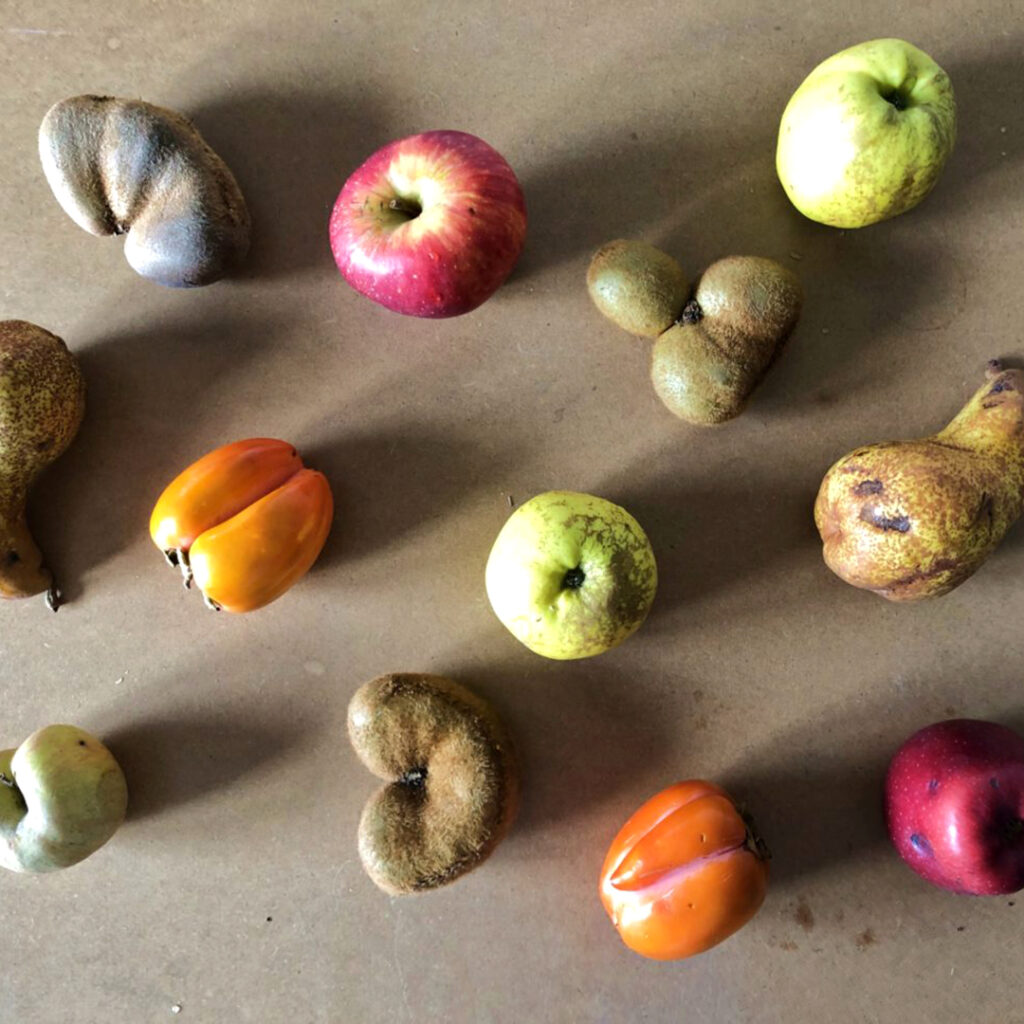
There is a special time of year when the land offers up its sweetest, ripest fruits all at once across our countryside. Perfect apricots, fragrant apples, delicate figs and juicy pears that last only a short while before they naturally go off. A good guide to fruit drying starts precisely from this awareness: from a deep desire not to waste any of the harvest and to preserve the flavour, colour and aroma intact in the most natural, traditional and sustainable way possible.
Drying fruit is not simply a matter of removing water from food to extend its shelf life. It is an art that requires knowing how to select the right degree of ripeness, preparing the pieces evenly, ensuring a steady flow of air, and respecting the specific drying times of each individual product. When the process is carried out correctly, the result is not a dry food in the pejorative sense, nor one that has been artificially and industrially dehydrated, but a true concentrate of nutrients, stable over time and pleasant to enjoy at home as a healthy snack or to be used in artisanal food processing.
A Guide to Drying Fruit: Getting Started
The first and most important factor in achieving an excellent result lies in the selection of the raw ingredients. Fruit intended for drying must be healthy, clean, perfectly ripe and free from extensive bruising or signs of fermentation. Fruit harvested when too unripe contains a reduced amount of natural sugars and lacks aroma, which the drying process will ultimately highlight. Conversely, fruit that is overly ripe tends to collapse during the process, oxidises much more quickly and requires significantly longer drying times, compromising the consistency of the batch as a whole.
Seasonality and respect for natural cycles matter far more than is commonly thought. Choosing to dry fruit at the peak of its natural ripeness means starting with a base that is extraordinarily rich in terms of flavour, where vitamins, minerals and aromas are at their very best. For professional producers, this step takes on even greater strategic importance. It allows producers to make the most of seasonal surpluses, non-standard sizes or batches of fruit that cannot be sold immediately as fresh produce but retain impeccable structural quality, transforming potential waste into a resource with high added value.
The geometry of the cut also plays a decisive role in the process. Slices and pieces that are too thick slow down internal evaporation and increase the risk of residual moisture remaining at the centre of the product, which could lead to the subsequent formation of mould. Slices that are too thin, on the other hand, risk becoming excessively hard under the effect of the air flow, losing the pleasantness of their original texture. The technical objective is to obtain pieces that are as uniform as possible, carefully laid out on the trays, to facilitate the even and constant removal of water from the entire exposed surface.
Preparing the fruit before drying
The preparation methods vary considerably depending on the structure of the fruit in question. Fruits such as apples and pears lend themselves perfectly to being cut into even slices or thin segments, preferably keeping the skin on if they are organic or certified. Apricots and plums are usually halved and pitted, with the flesh facing upwards to facilitate evaporation. Figs require special care: as they are extremely sweet and rich in internal moisture, it is best to cut them in half. Bananas, cut into slices about five millimetres thick, offer consistent results and an excellent concentration of natural sweetness. More delicate and watery fruits, such as strawberries and kiwis, require precise cutting to prevent variations in thickness from affecting the end-of-cycle times.
For some types of fruit, it is advisable to minimise the natural process of oxidation that occurs immediately after cutting, caused by the contact between cellular enzymes and oxygen in the air. This process is particularly noticeable in apples, pears and bananas. The first effective measure is to work quickly, minimising the time the fruit spends on the chopping board. Alternatively, one can resort to simple pre-treatments consistent with a natural production philosophy, such as a brief soak in water and lemon juice, rich in citric acid and ascorbic acid, which act as natural acidifiers capable of slowing down browning without masking the food’s original character.
The arrangement of the pieces on the dryer trays is another fundamental pillar of the method. The fruit slices must never be stacked on top of one another or crammed together. It is essential to ensure there is sufficient space so that the airflow can circulate around every single piece consistently. In the Biosec system by Tauro Essiccatori, which is based on a unidirectional horizontal airflow, this correct arrangement allows the hot, dry air to flow along the entire length of the tunnel in a perfectly uniform manner. Unlike vertical systems, where air rises from below, immediately becoming saturated with moisture and forcing the trays to be constantly reversed, the horizontal flow ensures that every level receives the same ventilation, eliminating the need for manual intervention and reducing thermal stress on the product.
Temperature and timing: balance is more important than rushing
Those who consult a guide to fruit drying are often looking for strict tables and timings expressed in precise minutes. However, the technical reality of drying shows that there cannot be a single parameter that applies to every situation. The botanical variety, the degree of sugar ripeness, the thickness of the slices, the relative humidity of the external environment and the initial water content profoundly alter the behaviour of the fruit inside the dryer.
The golden rule is to use moderate temperatures, generally between 40 and 60 degrees Celsius. This approach allows the water to evaporate gently, without damaging the cellular structure and ensuring that the fruit’s aromas, natural colours and vital enzymes remain intact. .
The times given in cookbooks should therefore be treated as flexible guidelines, requiring you to keep a close eye on the food. A thin slice of apple will be ready well before a juicy pear or a whole fig cut in half. Furthermore, it is essential to understand that fruit with a high natural sugar content tends to retain a soft, pliable and sometimes slightly sticky texture even when the process is fully complete. This natural elasticity should not be confused with the presence of unstable moisture.
Visual and tactile inspection remains the most reliable method of checking. At the end of the cycle, the fruit should feel dry to the touch, flexible or firmer depending on the variety, but free from cold or damp patches that might indicate the presence of free water. If, when applying light pressure, liquid is released or if the slice appears abnormal, the cycle must be extended by a few hours. Remember that in the Tauro horizontal system there is no risk of spoiling the product, as the controlled temperatures never reach the cooking threshold.
Which fruits are best suited
For those taking their first steps in this world, apples, pears and bananas are the ideal choice for getting to grips with the technique. These fruits are straightforward to handle when cutting, produce geometrically regular slices and allow you to clearly observe the changes in volume and texture during the dehydration process. Apricots also yield excellent results, allowing you to concentrate intense flavours that remain intact throughout the winter season.
Figs, plums, peaches, strawberries and kiwis produce extraordinary results in terms of flavour and colour, but require greater sensitivity and more careful attention to timing. Fruits with a high water content or a high sugar concentration put the precision of the preparation to the test, sometimes requiring the use of special supports to prevent the pieces from sticking to the mesh of the basket.
In a context of professional transformation, the choice of raw materials is closely linked to the intended use of the final product. A slice of dried apple can be conceived as a healthy snack, ingredient for granola handcrafted, as a decorative element in patisserie and mixology, or as a base for traditional infusions and herbal teas. Each specific application requires adjusting the thickness of the cut, the desired residual moisture content, and selecting the most suitable ventilation programme.
Common mistakes when drying fruit
The first technical mistake is to select fruit of mediocre quality or fruit that is already spoiled. The drying process has the effect of concentrating and intensifying everything present in the fruit, for better or for worse. If the fruit used is lacking in flavour or low in sugar, the end result will inevitably be dull and unpalatable. If signs of fermentation are present, the organoleptic defect will be amplified, compromising the entire batch.
The second common mistake lies in the slices not being of uniform thickness. When pieces of different thicknesses are placed together in the same basket, an imbalance in cooking time occurs: the thin slices will dry out prematurely, whilst the thicker ones will still contain free water. This complicates stock management and reduces the overall quality of the product.
The third mistake stems from a rush to complete the cycle. Using excessively high temperatures to shorten processing times or stopping the process before all the water has been removed compromises the stability of the shelf life. A product removed prematurely may appear dry at first due to the residual heat of the machine, but it will tend to develop condensation inside the storage container within a few hours, creating the ideal environment for spoilage to develop.
Finally, one step that is often overlooked is the thermal stabilisation phase. The fruit must be sealed in airtight containers immediately after switching off the dehydrator. It is essential not to allow the product to stabilise at room temperature, as this risks it reabsorbing moisture from the air.
Expert tip: the professional secret behind powder and the crock effect
To make the most of your dried fruit and avoid any waste, you can turn the smaller pieces or irregularly shaped ones into pure, aromatic powders. If you wish to obtain a fine powder to use as a natural flavouring for cakes or herbal teas, ensure that the fruit is thoroughly dried until it becomes perfectly stiff and crumbly. Process it in a powerful food processor or in a electric spice grinder.
If, on the other hand, you want to achieve the crispiest texture possible in your apple or pear chips, use the P4 Superhot programme at 68 degrees Celsius for the final hour of the process, but only after the fruit has already completed its standard drying at 50 degrees. The controlled heat at the end of the cycle removes the last residual water bonds and crystallises the natural sugars, giving an exceptionally crisp texture. Transfer the chips immediately into glass jars whilst they are still warm to prevent them from reabsorbing moisture from the surrounding air.
Storage: the job isn’t done once the dehydrator switches off
Once the fruit has been dried and the stabilisation phase completed in suitable containers, it must be protected from its natural enemies: air, direct light and ambient humidity. The ideal containers are classic glass jars with screw caps or snap-on lids, which have been thoroughly cleaned and are completely dry. Thermal sterilisation of the jars is not necessary, as the absence of free water in the food is in itself a natural safeguard against the development of mould. The containers should be stored in a cool, dark and dry place, such as a home pantry or the storeroom of an artisan workshop.
In the first few days after bottling, it is a good idea to check the inside of the jar. If you notice the appearance of a very slight film of condensation or if the texture of the pieces seems less crumbly than when they were collected, this means that the process was not fully complete or that the fruit absorbed moisture before the jar was sealed. In this case, simply reposition the fruit on the trays and run a short additional drying cycle to ensure the entire batch is safe.
Home drying and professional use: what really makes the difference
Although the physical principles of food dehydration remain the same, the operational requirements that distinguish the domestic setting from the commercial one call for vastly different standards of control and repeatability. In the home The main aim is to achieve healthy, wholesome results that are easy to incorporate into everyday cooking, with a focus on home-grown produce and reducing household food waste.
In a professional context, particularly in the context of farms, agritourism establishments or food processing facilities, strict parameters come into play regarding productivity, the uniformity of heat distribution across all shelves, and the consistency of results over time – all of which are essential for the standardisation of commercial batches. In this context, the choice of technology makes a substantial difference.
A domestic and semi-professional drying system designed in accordance with the Biosec logic, characterised by a horizontal airflow running parallel to the baskets and controlled by the DrySet Pro motor electronics, ensures uniform heat distribution and ventilation across every single level. This completely eliminates thermal imbalances, guarantees the perfect preservation of organoleptic properties and optimises production energy costs, enabling food industry professionals to enhance the quality and profitability of their semi-finished or finished products.
The true value of proper drying
Choosing to dry fruit using a proper and informed method is a practice of great gastronomic and environmental value. It means actively connecting with the rhythm of the seasons, extending the shelf life of food without altering its molecular structure, reducing food waste, and creating a smart and eco-sustainable pantry. For enthusiasts of natural cooking, it is a choice of autonomy and awareness, whilst for those in the agri-food sector, it translates into a highly effective economic and productive lever.
For over thirty years, companies deeply rooted in Italy such as Tauro Essiccatori have been working day in, day out to promote and safeguard the culture of drying, combining the cutting-edge technology of their facilities with ongoing training and a deep respect for working the land. The machine is an indispensable technical tool, but it is a deep understanding of the method that allows a simple raw material to be transformed into a culinary masterpiece capable of standing the test of time, preserving intact the aroma of the season in which it was born.
Discover our full range of drying systems, proudly designed and manufactured in Italy, by visiting the official Tauro Essiccatori website to find the ideal solution for your lifestyle or business needs.
 Italian
  English
  German
  Spanish
  French
  Romanian