




Creative ways to use dried peel in cooking
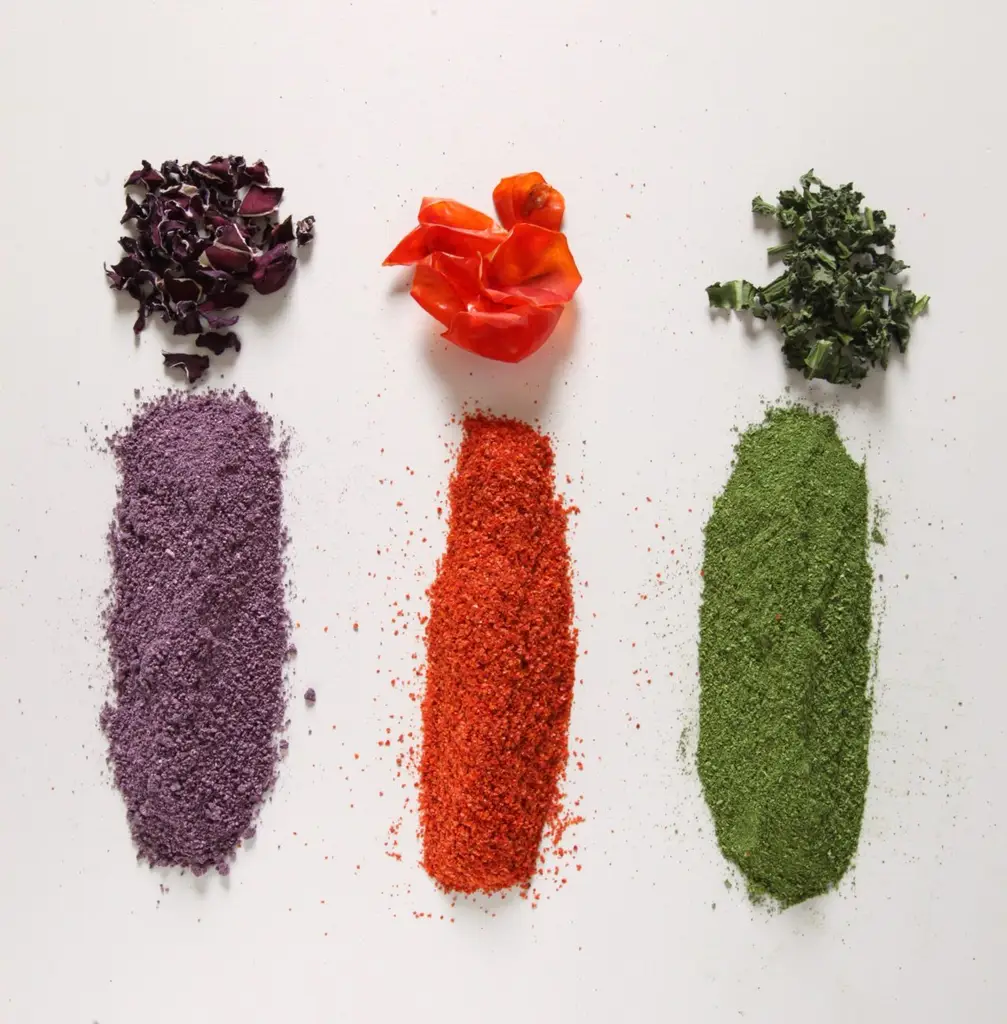
A fragrant strip of orange peel, the skin of a freshly picked apple, the outer layers of a pear or a seasonal lemon: these often end up straight in the organic waste bin, their immense culinary potential forgotten. The Creative ways to use dried peel in cooking They are based on a conscious principle: recognising the value of every edible part of fruit and vegetables, making the most of the raw produce when it is at the right stage of ripeness and rich in aromatic compounds.
Drying does not turn every scrap into food, nor does it replace respect for the origin of ingredients. It is, however, a traditional and effective method for concentrating essential oils, natural pigments and fibres, whilst preserving the cellular structure and preventing the loss of heat-sensitive substances. Whether in the home kitchen or a small artisan workshop, reusing peelings through drying means taking an active approach to tackling food waste, whilst enriching the larder with versatile ingredients for savoury dishes, baked goods, herbal teas, aromatic blends and fragrant pot-pourri ready to give as gifts.
Rule number one: choose the right kind of peel
In the kitchen, we use only naturally edible peel from healthy fruit, preferably untreated on the surface and certified as safe to eat with the peel on. This applies in particular to citrus fruits, where the absence of protective waxes or post-harvest pesticides is an essential requirement.
It is essential to set the record straight on cleaning: just as with mushrooms and any other vegetable garden produce – where it is worth dispelling old, mistaken beliefs – washing under running cold water is an essential step for removing dust, earthy impurities and surface residues. After washing, it is equally important to dry the surface thoroughly with a clean cloth before cutting, so as not to introduce unnecessary excess water into the process.
Any parts affected by mould must be systematically removed. The precision of the cut is also a key factor in the sensory profile:
- When preparing citrus fruits, it is advisable to remove only the outermost, coloured part (the flavedo), which is rich in oil glands, whilst minimising the amount of white albedo to avoid an overly pronounced bitter taste.
- With apples and pears, the skin can be peeled in ribbons or even strips, leaving a thin layer of flesh to balance the texture and sweetness.
- For vegetables such as carrots, pumpkins or tomatoes, the thickness must be standardised and consistent, taking into account whether the fibrous texture requires subsequent fine grinding.
Where there is any doubt as to whether the peel is fit for consumption or intact, food safety guidelines dictate that it should not be dried, or that an alternative use other than for food should be considered – for example, as air fresheners or home decorations, whether for Christmas or other occasions, or as original, homemade gift tags.
How to dry fruit peels without losing their aroma
Managing heat and air circulation is key to preserving the volatile compounds responsible for the primary aroma of the fruit. Excessive temperatures risk cooking the plant tissue or causing the essential oils in citrus fruits and the esters in fleshy fruits to volatilise prematurely.
To ensure gentle and gradual evaporation, the peel should be spread out on the shelves in a single, neat layer, taking great care to avoid overlapping, which would create damp patches and cause moisture to pool. A dehydrator with horizontal airflow, such as the Biosec system patented by Tauro Essiccatori, draws in hot air from the bottom of the tunnel and channels it parallel to each tray. This constant, laminar flow envelops every single item evenly:
- eliminates the need to periodically turn or rotate the baskets during the cycle;
- prevents odours and moisture from mixing between the different work surfaces, allowing different varieties to be dried at the same time;
- allows the use of specific non-stick liners (such as DrySilk sheets) to trap small particles without impeding ventilation.
As regards temperature settings, processing at between 40 °C and 50 °C (as with programmes designed for thin slices or delicate processing) allows the water to be removed without denaturing enzymes, colours and aromas. The times should not be regarded as fixed values, as they vary depending on the fruit’s initial water content, ambient humidity and the thickness of the slices. The ideal drying point can be recognised by touch: the skin must be completely free of any spongy flexibility or sensation of coldness at the centre, and should feel brittle, dry and clean when broken.
When packaging, it is essential to follow a fundamental technical rule that is often overlooked: unlike baked goods, a completely dehydrated vegetable must not be left to cool in the open air. As it is hygroscopic, whilst cooling it would immediately reabsorb moisture from the air, losing its crispness. The product must therefore be placed in airtight glass jars whilst still warm, straight from the dehydrator. In this way, the air trapped inside the jar remains dry, the aromatic freshness is sealed in, and the crispness is preserved for over a year, provided the jar is stored away from direct sunlight and sources of heat.
Creative uses for dried peel in the kitchen: aromatic powders
Turning them into powder is one of the most practical and useful ways to use the dried fruit. Once the skins have reached a glassy consistency, they can be finely ground using a coffee grinder or spice mill, working in short bursts to prevent the blades and the product from overheating. The final step of passing the mixture through a fine-mesh sieve ensures a uniform particle size.
Powdered lemon, orange, mandarin or bergamot zest acts as a concentrated natural flavouring, which can be used in precise quantities without introducing unwanted liquids into recipes.
In baking, half a teaspoon of citrus zest powder enriches shortcrust pastry, breakfast biscuits, long-life leavened baked goods, custards and granolas without upsetting the moisture balance of the ingredients. In savoury cooking, citrus zest powder is ideal for adding a tangy, balsamic kick to fish coatings, creamy risottos, fresh pasta fillings or oven-roasted root vegetables.
Another effective combination is to create an aromatic finishing salt: by grinding together dried orange peel, whole sea salt and leafy herbs (such as thyme or rosemary), you can make a natural seasoning for roasted carrots, braised fennel or pumpkin soups. It is advisable to prepare small batches and refresh them over time, so that you can always enjoy the fullest flavour.
Sugar and salt with a citrus flavour
The chopped or coarsely ground zest can be combined with caster sugar or cane sugar in an airtight jar. Through a natural process of aromatic osmosis, the sugar crystals absorb the volatile oils from the zest within a few days. The sugar obtained in this way can be used to sweeten hot drinks, whip up flavoured meringues, decorate the rims of glasses or garnish fruit salads.
The same principle applies to sea salt. A lemon-flavoured salt adds a touch of freshness to a freshly baked focaccia, a tray of steamed pulses or steamed fish; a bitter orange or mandarin-flavoured salt pairs well with soft cheeses, fennel salads and late-season radicchio. The complete absence of residual moisture in the peel prevents the formation of lumps and ensures the mixture remains stable over time.
Infusions, broths and drinks made with peel
The dried peel retains its structural integrity and can be used either as a herbal tea infusion or in whole pieces in hot or cold liquid preparations. Using whole pieces rather than powder makes filtering easier, leaving the extracted liquid clear.
In hot drinks:
- Apple peel and dried pear, enhanced with cinnamon sticks or juniper berries, create soothing infusions with a naturally fruity flavour.
- Orange or clementine zest adds a citrusy roundness that is ideal for complementing herbal teas made from medicinal herbs, lemon balm or lime blossom.
In savoury dishes, adding a strip of lemon or orange peel to the water used to cook rice, ancient grains or vegetable stocks lends an elegant aroma without introducing the acidity typical of fresh juice, thus preserving the dish’s flavour balance.
In cold infusions, a piece of zest left to steep for a few hours in low-mineral-content water releases subtle, pleasant aromas, offering a health-conscious alternative to commercially available flavoured drinks.
Decorations you can eat, not just look at
Horizontal-flow drying carried out at controlled temperatures protects the fruit’s natural pigments: carotenoids and anthocyanins retain their vibrant colours, preventing the enzymatic browning typically caused by uncontrolled exposure to sunlight.
Peels cut into spirals, diamond shapes or thin strips become visually striking edible garnishes for spoon desserts, festive baked goods and non-alcoholic cocktails. This is not merely an aesthetic embellishment: the crisp texture and concentrated flavour provide a textural contrast when paired with velvety creams, ricotta mousses or chocolate ganache.
Strips of apple or pear peel can also be roughly chopped and added to toasted muesli, porridge or plain yoghurt, where they retain their pleasantly crumbly texture if kept away from moisture before eating.
From home cooking to making the most of the harvest
For those who run a family-owned orchard, a small farm or an artisanal processing workshop, drying peel is an essential tool for the circular economy. During the production of jams, juices or preserves, where peel is discarded for recipe reasons, sorting these parts and diverting them to the dryer allows for the creation of long-life semi-finished products without incurring additional raw material costs.
Planning follows the rhythm of the land:
- During the autumn and winter months, processing citrus fruits enables stocks of aromatic powders to be built up to last the whole year.
- During the apple and pear harvest, drying the peel provides ideal ingredients for fibre supplements, sweet flours and herbal tea blends.
This approach enables production peaks to be managed in a balanced way, avoiding surplus production that goes to waste and transforming every part of the harvest into a long-lasting resource. Careful labelling of each jar, indicating the variety, harvest batch and drying date, ensures proper rotation of the pantry and transparent traceability of each preparation.
The expert’s tip
To ensure the citrus peel is perfectly crumbly and to preserve the essential oils intact, remove the peel using a bow-shaped peeler, taking care to minimise the thickness of the white pith. Set the dehydrator to a constant temperature of 45 °C – 50 °C (programme P2 or t4) until the peel is dry and stiff. Once the cycle is complete, remove the trays and transfer the peel to glass jars whilst they are still warm, sealing the lid airtight before the product reaches equilibrium with the humidity in the room.
If you want to make a very fine powder, blend the zest once it is completely dry.
Rediscovering the value of dried peel means looking at cooking with fresh eyes, paying close attention to the quality of the raw ingredients and being mindful of natural processes. To explore the full potential of drying, discover tried-and-tested recipes and choose the ideal technology for every need, visit the official Tauro Essiccatori website and let yourself be guided by a passion for natural preservation.
 Italian
 English
 German
 Spanish
 French
 Romanian