




Fruit leather, how to prepare it with the dryer
Making these dried fruit or vegetable sheets is really the easiest thing in the world and so is eating them! So make them and stock up before your mouth waters.
Fruit leather: the art of fruit and vegetable leather with a dryer
Fruit leather, also known in Italy as fruit skin, represents one of the most versatile and fascinating preparations in the world of conscious drying. It is a thin sheet obtained by dehydrating a fruit or vegetable puree, capable of concentrating flavours and aromas in a flexible and visually appealing format. This technique is not only an effective way to create healthy snacks, it is a real strategy to combat food waste, allowing very ripe products to be transformed into gourmet preparations with a long shelf life.
The technical value of the Biosec system
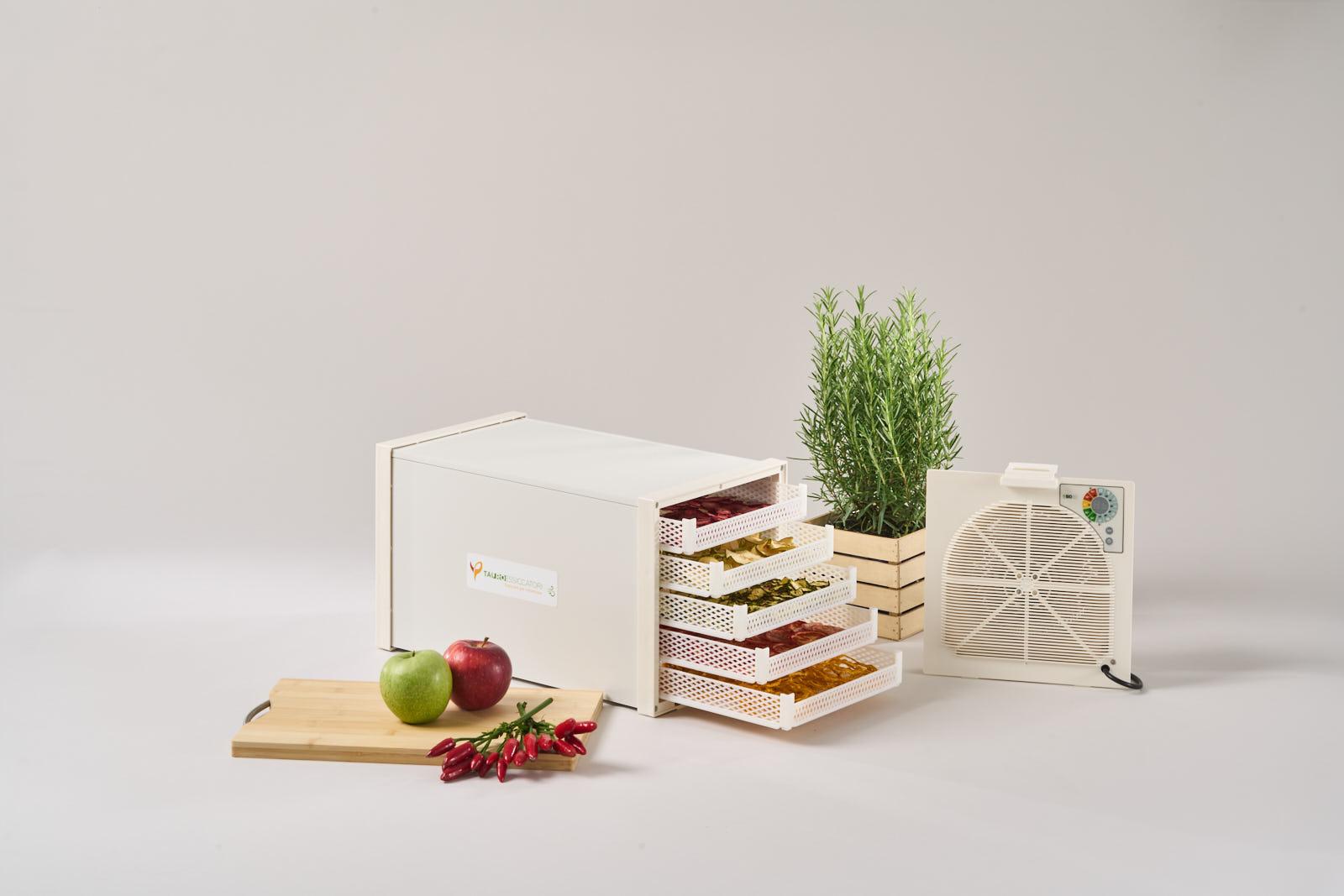
To achieve a perfect fruit leather, homogeneity is crucial. The Tauro drying system, with its unique horizontal airflow, ensures that every centimetre of the puree is evenly hit by heat. Unlike vertical systems, where the upper baskets receive less hot and more humid air than the lower ones, Biosec allows constant dehydration without the need to invert or rotate trays. This process preserves the natural colour of the raw material and keeps the organoleptic and nutritional properties intact, avoiding unwanted oxidation.

How to prepare fruit leather with the desiccator
To begin this artisanal journey, select seasonal fruit or vegetables, preferably very ripe as they are richer in natural sugars and flavours. You'll need an effective blender to achieve a smooth consistency and Silidrop trays, designed to hold purees and liquids without spillage.
Remember that leather requires pulp: it is not possible to make it from filtered juices, as the fibrous structure needed to form the sheet would be missing. If you choose to use citrus fruit, it is essential to carefully remove the albedo (the bitter white part) and seeds before blending. A professional tip: the albedo can be de-marinated through short boiling if you wish to include it for its properties.
The step-by-step procedure
To illustrate the method, let us take as a reference the strawberry, symbol of the Italian spring.
- Wash and clean the fruit, then blend until smooth and homogeneous. Avoid passing the mixture through a sieve to retain the fibres that help the cohesion of the pastry.
- Position the drawer with the tray Silidrop empty directly into the Biosec guides. Only fill it after positioning: this technical trick avoids accidental liquid spillage when loading the machine.
- Set the temperature between 40°C and 50°C. Choose 40°C if you want an extremely soft and flexible leather (ideal for rolls); go up towards 50°C to speed up the process, but obtain a slightly stiffer leather over time.
- Once the cycle is finished, check the consistency. If the leather is too dry to be rolled up, let it rest for a few minutes in the air or in the refrigerator: the ambient humidity will make it supple again in a short time.


Storage and anti-waste tips
Fruit leather will keep for several months if well dried. Store it in airtight containers or glass jars in a cool, dry place away from direct light to prevent the natural colours from fading. If the preparation has retained a significant amount of residual moisture (being very sticky), refrigerated storage is preferable.
These fruit sheets are perfect for creating energy bars or natural candies with no added sugar. Remember, however, that drying concentrates the sugars already present in the fruit: consume them mindfully, appreciating their aromatic intensity.
Creative variations and combinations with inserts
Horizontal drying allows you to experiment with solid inserts that will remain perfectly embedded in the fruit skin. After pouring the pulp into the Silidrop tray, you can enrich it with:
- Strawberry and round gentile hazelnut crumbs.
- Mantuan melon and whipped blackberry drops (distributed with a kitchen bottle).
- Strawberry and cocoa grue for a bitter contrast.
- Pineapple and almond flakes.
- Strawberry with kiwi slices cut very thin (use a mandoline to ensure that the thickness of the insert is compatible with the drying time of the pulp).


Vegetable leather: the salty frontier
Don't limit yourself to fruit. Vegetable leathers offer an explosion of umami flavour and are ideal for garnishing gourmet dishes. Unlike fruit, most vegetables require brief cooking or bleaching before processing to fix the colour and soften the fibres.
- Black garlic: blend it with a little water to make a paste that can be spread.
- Peppers: use them roasted for a smoky flavour or raw for a fresher, more pungent note.
- Spinach: cook them and cool them quickly in water and ice to preserve the bright green chlorophyll.
- Mushrooms: pan-fry them with garlic and oil before blending; the flavour will be incredibly deep.
If the cooked vegetable turns out to be too dry during the blender run, add water a little at a time until it reaches the density of a spreadable cream.

Artistic culinary applications
Here's how to integrate fruit leather into structured recipes, enhancing the work of the dryer on the plate.
Cappellaccio on creamed peas with dried ham and mushroom leather
In this reinterpretation of a 1980s classic, the leather of mixed mushrooms (champignon, pleurotus, chiodini and shiitake) is spread thinly after being trifoliated. The ham, dried at 40°C, becomes a crispy and savoury yet balanced wafer. The leather should only be added to the hot plate at the time of serving: the residual heat will immediately release all the aromas of the forest.

Beef tartare finger food with tomato powder mayonnaise and black garlic leather
A technical starter where egg-white-only mayonnaise is coloured with dried tomato powder. The leather of black garlic, cut into small squares, brings a balsamic and sweet note that complements the raw meat and the freshness of the lemon zest.

Strawberry fruit leather cannoli with custard and frosted mint
In this dessert, the strawberry and cocoa grue leather replaces the classic cannoli wafer. Inside, a custard scented with vanilla powder (obtained by drying and blending the whole berries at 40°C to maximise yield). The dish is rounded off with frosted mint leaves: fresh leaves soaked in egg white, sugar and then dried at 40°C for a natural crystallised effect.

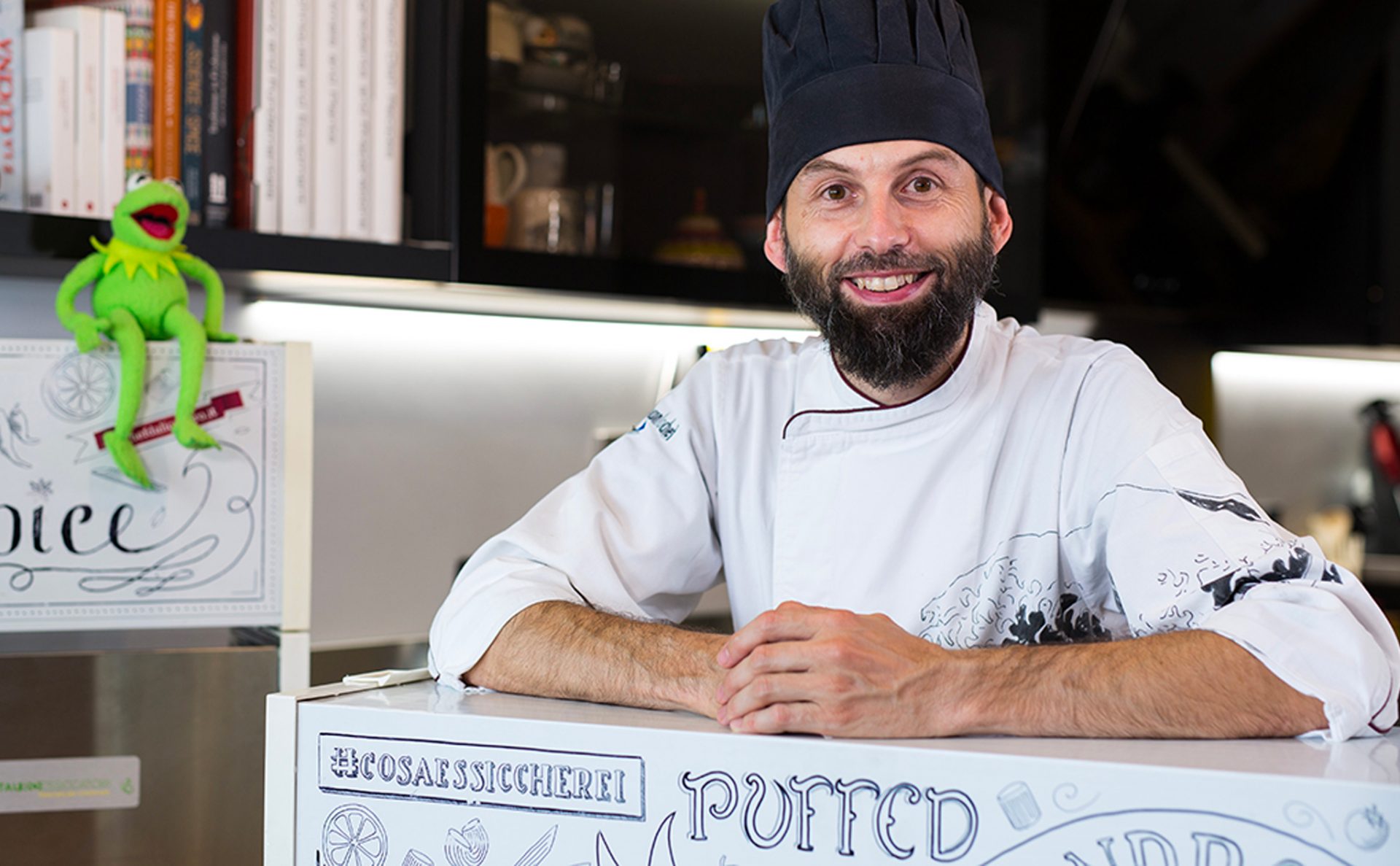
Chef Dalicandro.
Credits: Igor Todisco
Have you already tried to create your favourite fruit leather combination? The versatility of the Biosec system allows you to experiment without limits, always respecting the seasonality and quality of the raw material. Share your creations and experiments with us: the community of enthusiasts is waiting for you in the Gente che Essicca Facebook group to exchange tips and new technical inspirations!

 Italian
  English
  German
  Spanish
  French
  Romanian