




Producers of herbs and herbal teas / Herbalists and craft shops
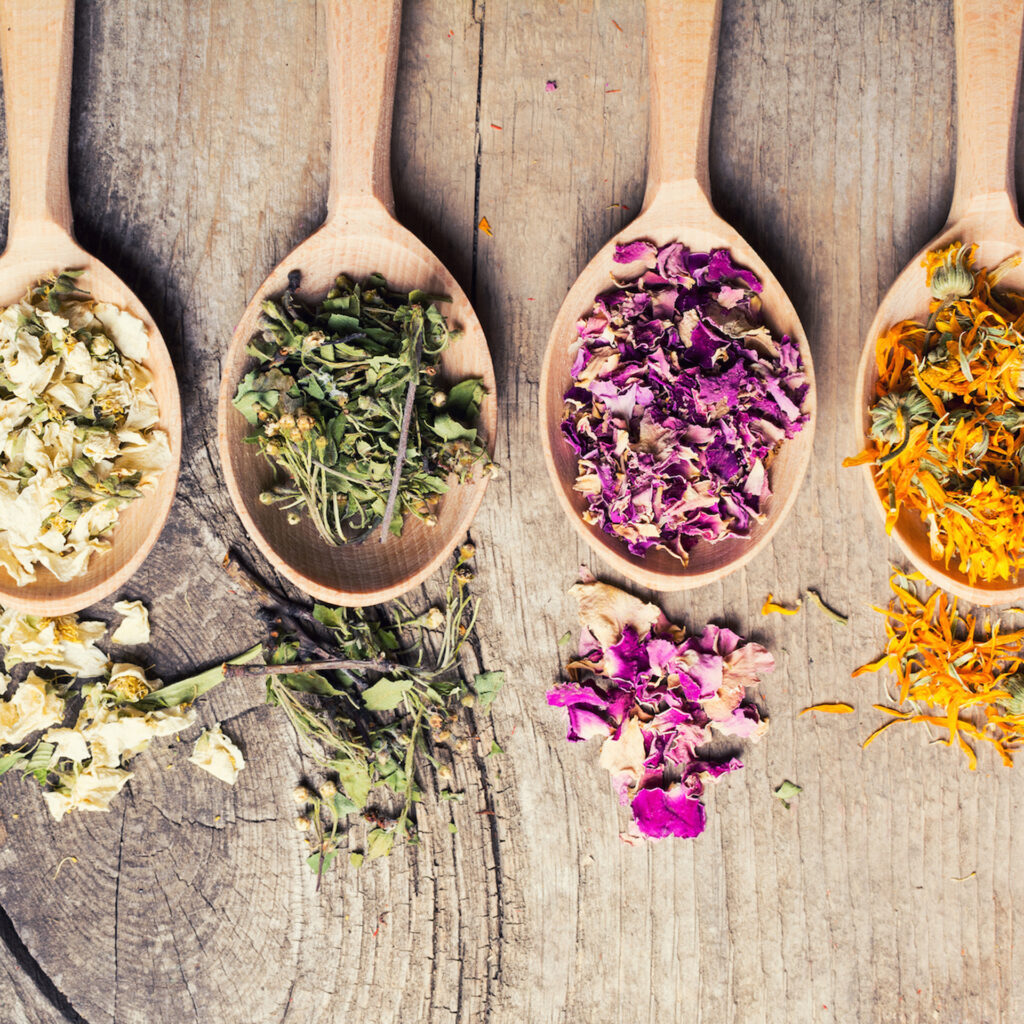
Drying as the heart of the herbal and artisanal retail process
Into the world of medicinal and aromatic herbs and herbal shops, the quality of the final product depends largely on drying.
With controlled drying, you maintain the scent, colour and active ingredients of the plants, resulting in a clean, stable and safe product, ready for processing, packaging and sale over the counter.
For herbalists and artisan shops, drying also becomes a distinctive element: fresh products, customised blends and experiential workshops that tell the story of the supply chain and bring the customer closer.
From harvesting to drying: quality, value and product storytelling
Once harvested, medicinal plants must be treated with care to avoid fermentation and loss of aroma. Controlled drying means protecting the active ingredients, obtaining vivid colours and authentic fragrances and ensuring uniformity regardless of the climate.
This process increases the value of the product, facilitates packaging and makes the herbs more appealing to a quality- and naturalness-conscious clientele.
The benefits for producers, herbalists and craft shops
- Weather-independent drying
- Total control of temperature, time and air circulation
- Optimum preservation of aroma, colour and active ingredients
- Possibility of creating own-brand mixtures, powders and products
- Supporting direct sales, online and educational activities in the workshop
How to integrate drying into production and sales
- Carefully pick and clean the plants or flowers.
- It organises cycles according to the botanical part (leaves, flowers, roots, seeds).
- Set appropriate parameters (temperature/time) for each type.
- Hygienic and informative packaging (botanical indication, lot, expiry date).
- Use the desiccation to create workshops, teaching kits and subscription proposals (e.g. “Adopt Sod”).
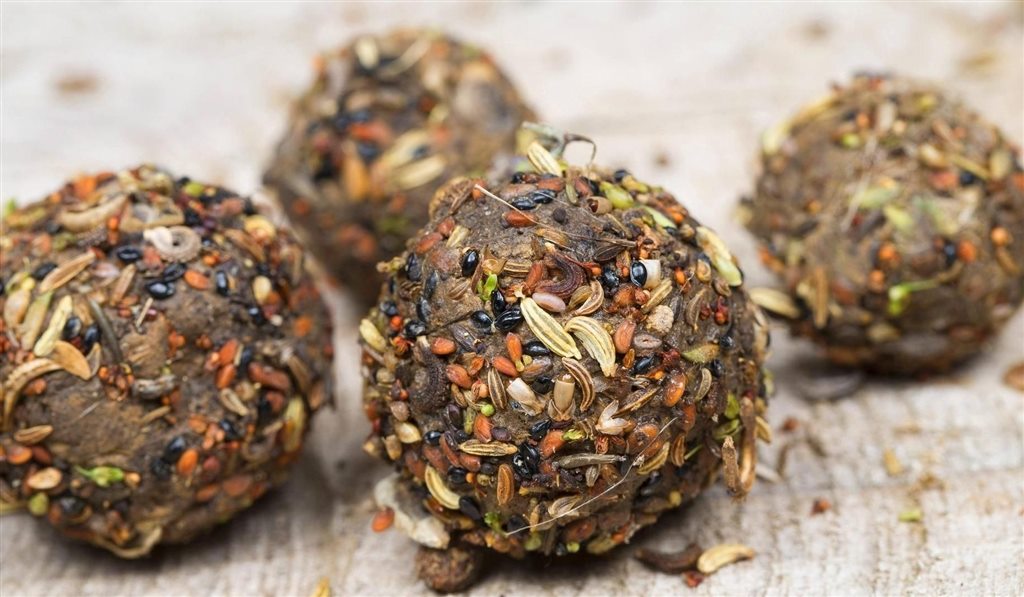
Story of those who succeeded
Ira the Herbalist
▸ Umbertide (PG)
«Where I live, the climate is very humid, and already by mid-September it is no longer possible to dry easily. So I searched the internet for a way to solve the problem and discovered the world of dryers. I literally fell in love with it and invented anything and everything for the world of herbalism.»
- Ira Archilei
What they dry
Medicinal and aromatic plants, mostly wild or naturally grown on one hectare in the Umbrian Apennines. No pesticides or plant protection products.
What they prepare
Herbal teas, infusions and more elaborate herbal preparations; customised blends and course products.
How the project started
After years in the herbalist shop and a few courses, Ira started in the cellar but the high humidity prevented consistent results. The solution was the adoption of professional dryers: since then the cycles are replicable, the quality has improved and the project has grown (courses, markets and the “Adopt-a-Sod” project).
Sales channels
Direct sales at local markets (Umbertide Earth Market), courses and word of mouth; communication via social media and mailing lists; direct community involvement projects.
Why choose drying
- Best organoleptic and therapeutic properties in herbal teas
- Product can be sold all year round and is more easily transportable
- Greater artisan brand recognition (labels, stories, traceability)
- Opportunities to create exclusive products (blends, kits, themed gifts)
- Supporting educational initiatives in the shop (workshops, tasting, subscriptions)
Find out how to get started
Do you want to understand how to optimise your drying process?
We help you choose the right technology, define cycles for your botanical species and set up a production flow through to packaging and sales.
👉 Discover the most suitable professional solutions for your herbalist production or craft workshop.
Frequently asked questions
Drying means dehydrate, that is, subtracting from a food its share of water, which is often the bulk of its weight.
In this way, the raw material changes its appearance slightly, but retains - or rather concentrates - its organoleptic and nutritional properties.
Not only that: removing water decomposition and oxidation processes are stopped or drastically slowed down, and the shelf life of the product is greatly extended. from perishable to durable. This greatly simplifies logistics management, storage and sales.
Drying therefore allows preserve food better and longer, preserving its flavour and nutritional qualities.
You can drying and transform:
- fruit
- small fruits
- oily fruit
- aromatic herbs
- medicinal herbs
- flowers
- spices
- saffron
- spirulina
- algae and microalgae
- fungi
- grain
- noodles
- meat
- fish
- brewing treads
- skins and marc
- alternative proteins
You can obtain and commercialise:
- fruit and vegetable chips and snacks
- flavoured powders and salts, flavourings
- spices, herbs and edible flowers
- crispy sheets (leather) of fruit or vegetables
- dehydrated vegetables and soups
- ready meals and preparations for cooking
- energy bars
- fresh pasta
- flours
- infusions
- pet food
Yes, in order to market, sell or administer processed products, it is necessary to operate in a laboratory that is recognised by the health authorities (HACCP), even if it is small or located within the company.
Absolutely. Many facilities start with small quantities to test recipes, snacks or flavour powders before expanding production.
Yes. Drying makes it possible to reduce waste, valorise surpluses and offer natural products with low costs and a concrete economic return.
If you have a farm, drying is an optimal and efficient way to enhance the 100% of your production. You can process products grown by yourself or by third companies with whom you can create network synergies.
You get several benefits, all related:
- zero waste and convert surpluses into a long-term resource
- give a destination to aesthetically imperfect or damaged products by hailstorms or (increasingly frequent) frost, which you would not be able to sell otherwise
- diversify your business and minimise business risk
- increase the catalogue of your offer and distinguish yourself by competitors
- you can sell is directly to the final purchaser, in person and online; but also to retailers such as e-commerce, shops, farms and restaurants.
In general, the advantages of dried products are many.
If you make or trade dried products:
- obtain or resell food with a high shelf life (shelf life)
- greatly simplify the logistical management of your offer, from warehouse to sale
- create a line of healthy products without added sugar or preservatives, of course rich in fibre and nutrients
- conquer a steadily growing slice of the market, which demands healthy, artisanal and ready-to-eat products
Recommended dryers
 Italian
  English
  German
  Spanish
  French
  Romanian